Uncategorized
Why Fat Reduction Targets What Diet and Exercise Miss
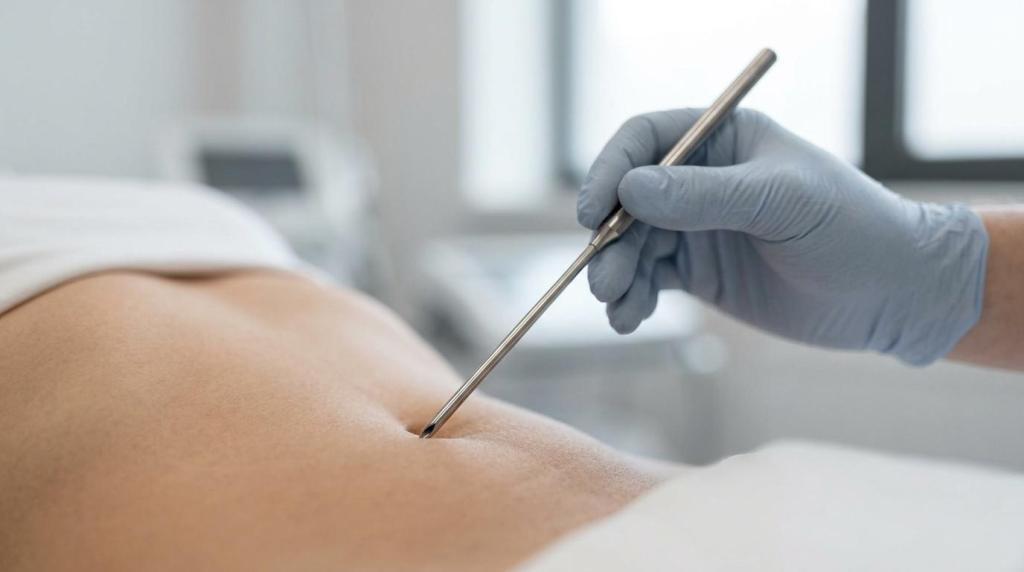
Many people lose weight, build muscle, and stay consistent for months, yet still feel stuck with fullness in the lower abdomen, flanks, inner thighs, bra line, or under the chin. That experience is common, and it does not mean effort has failed. It usually means the goal has shifted from general weight management to localized body contouring.
That distinction matters because fat reduction and weight loss are not the same thing. Diet and exercise change the body broadly. A targeted fat-reduction procedure is designed to address specific areas that may not respond the way a person wants, even when the overall plan is working.
Why localized fat often stays after diet and exercise
The body does not burn stored fat according to personal preference. It follows hormones, genetics, age, sex, metabolic patterns, and where fat cells are more likely to hold onto energy reserves. That is why someone can have slimmer arms, stronger legs, or a smaller waistline overall while still noticing a persistent pocket of fat in one exact spot.
There is also a difference between subcutaneous adipose tissue and visceral fat. Subcutaneous fat sits under the skin and affects shape and circumference. Visceral fat surrounds internal organs and is more closely tied to metabolic health. When most people talk about “stubborn fat,” they usually mean subcutaneous fat that changes how clothing fits or how smooth a contour looks.
Research supports the idea that body fat loss tends to happen across the body rather than in a highly selective pattern. A 2021 review indexed on PubMed found that reductions in abdominal subcutaneous adipose tissue tracked similarly with calorie restriction and structured exercise when total body fat was lost. In plain terms, the body tends to reduce fat as part of a broader system, not as a precision tool aimed at one frustrating area.
That is exactly why some people reach a healthy routine and still want a more direct way to refine shape.
What spot reduction research says about exercise and fat loss
The idea of spot reduction has been debated for decades. Many people hope that doing endless crunches will flatten the abdomen or that extra triceps work will slim the back of the arms. Exercise absolutely improves fitness, strength, posture, and body composition. What it does not reliably do is guarantee a dramatic fat change in one chosen area.
A 2023 randomized controlled trial discussed on PubMed revisited that debate and looked at whether abdominal endurance exercise could influence local fat use. The findings suggested that working muscles may increase release and use of fat stored nearby. Even so, this does not translate into a simple promise that targeted exercise will visibly remove a stubborn bulge to the degree many people want.
That is where expectations often break down. Someone may be doing the right things for health and still feel disappointed by a mirror result that seems out of step with the effort.
A practical way to think about it is this:
- Weight loss is a whole-body process
- Muscle training shapes and strengthens what is underneath
- Localized fat can remain despite a caloric deficit
- Body contouring focuses on specific visible areas
Fat reduction versus weight loss: why the difference matters
Public health guidance is clear on this point. The FDA states that non-invasive body contouring is used to change body shape, reduce small areas of fat, and alter circumference in areas like the waist or thighs. The same FDA guidance also says these treatments do not treat obesity and do not produce weight loss or the health benefits associated with weight loss.
Mayo Clinic makes a similar distinction with liposuction, noting that it is not considered an overall weight-loss method or an alternative to healthy habits.
This is not a limitation so much as a category difference. Weight management is about health, energy balance, and broad fat loss. Fat reduction is about shape.
Comparing localized fat reduction options
Once the goal becomes contour change rather than lower scale weight, the choices become easier to sort out. Some methods are non-invasive, some are minimally invasive, and some are surgical. Each one fits a different kind of patient, timeline, and result profile.
| Option | Main purpose | How it works | Best suited for |
|---|---|---|---|
| Diet and exercise | Overall weight management | Caloric deficit, physical activity, muscle development | People seeking broad health and body composition change |
| Non-invasive body contouring | Small localized fat reduction | External device or injections that affect fat cells | People wanting modest contour changes without tissue removal |
| Liposuction | Surgical fat removal | Fat is suctioned out through a small incision | People seeking larger volume removal with surgery |
| TuLi | Minimally invasive body contouring | Targeted fat reduction in a fast in-office treatment | People wanting direct contour change with minimal interruption to daily life |
The FDA distinguishes non-invasive body contouring from liposuction because liposuction physically removes fat through a narrow vacuum-type device inserted via a small incision. Non-invasive methods do not remove tissue in that same way. Minimally invasive techniques sit between those categories, offering more direct targeting than fully external treatments while avoiding the intensity of a traditional operating-room approach.
For many adults, that middle ground is appealing. They are not looking for a weight-loss program inside a procedure. They want refinement in defined areas, with less disruption.
Why minimally invasive fat reduction can reach what lifestyle changes miss
Lifestyle change is still the foundation of long-term health. The National Institute of Diabetes and Digestive and Kidney Diseases recommends pairing lower calorie intake with more physical activity for weight management. That remains the standard path for reducing overall body fat and improving metabolic health.
But a healthy routine does not always fix the exact contour issue that bothers someone most. This is where a localized fat-reduction procedure can be a rational next step. It is not replacing discipline. It is addressing a different problem.
TuLi is positioned for that specific purpose. It is a minimally invasive body contouring procedure developed by a board-certified plastic surgeon and designed for dramatic, lasting fat reduction with sculpted contours. According to the company’s stated model, it is performed in-office, without general anesthesia, with immediate return to normal activity, no special post-op care, and the ability to treat multiple areas in one visit.
Those features matter because they speak to the real barrier many people face: time. A person may be willing to act, but not willing to step away from work, family, exercise, or social plans for an extended recovery.
Here is where that can make a difference:
- Targeting: localized fat areas that have not changed enough with diet and exercise
- Efficiency: multiple body areas treated in one visit
- Convenience: in-office treatment with no general anesthesia
- Recovery: immediate return to normal activity
- Goal: contour improvement, not broad weight loss
What makes someone a strong fit for localized fat reduction
The best candidate is usually not someone searching for a shortcut to avoid healthy habits. It is often someone who already has those habits, is near a stable weight, and wants to change shape in one or more stubborn areas.
That person may notice that body weight fluctuates only slightly, yet the same pockets of fat remain. Clothing may fit well everywhere except one band around the waist or one area at the thighs. That kind of mismatch is also reflected in apparel guidance, where Plusmand’s guide to finding the right fit notes that proportions around the waist, hips, and thighs often shape how a garment sits more than the number on the label alone. Photos may show imbalance that feels out of proportion with the rest of the physique.
Strong candidates often share a few traits:
- Close to their goal weight
- Stable routine with nutrition and movement
- Focused on contour, not major scale change
- Realistic expectations about what a procedure can and cannot do
Skin quality matters too. Mayo Clinic notes that thinner, less elastic skin can look looser after liposuction. That does not mean treatment is off the table, but it does mean the evaluation should look beyond fat alone. Good body contouring is about proportion, tissue quality, and technique, not just volume.
Questions to ask before choosing a fat reduction procedure
The decision becomes easier when the conversation is specific. A generic question like “Will this make me slimmer?” often leads to vague answers. Better questions focus on the exact area, the likely contour change, and what type of treatment matches the goal.
A productive consultation usually covers these points:
- Goal area: What exact region is being treated, and how much change is realistic?
- Treatment type: Is a non-invasive, minimally invasive, or surgical approach the better fit?
- Recovery plan: When can normal exercise, work, and daily activity resume?
- Skin response: How might skin tone and elasticity affect the final appearance?
- Long-term outlook: What habits help maintain the result after treatment?
This is also the right time to ask whether the procedure is meant for circumference change, visible sculpting, or higher-volume fat removal. Those are not interchangeable goals.
Why clear expectations lead to better fat reduction decisions
The most satisfying outcomes usually come from matching the method to the problem. If the issue is broad weight gain, lifestyle-based weight management comes first. If the issue is a persistent localized deposit of fat that remains after serious effort, body contouring becomes a more logical tool.
That is why the phrase “diet and exercise miss” resonates with so many people. It does not suggest that healthy habits failed. It means healthy habits did what they are meant to do, while one specific contour concern remained.
For adults who want targeted change without general anesthesia or extended downtime, TuLi offers a different path: minimally invasive fat reduction built around precision, speed, and a return to normal life right away. When the goal is shape rather than scale, that kind of focus can make all the difference.
Ready to take the next step?
Request a consultation with Dr. Moskovitz to discuss whether the TuLi procedure is right for you.
Request a Consultation