Uncategorized
Tullia vs CoolSculpting: Key Differences
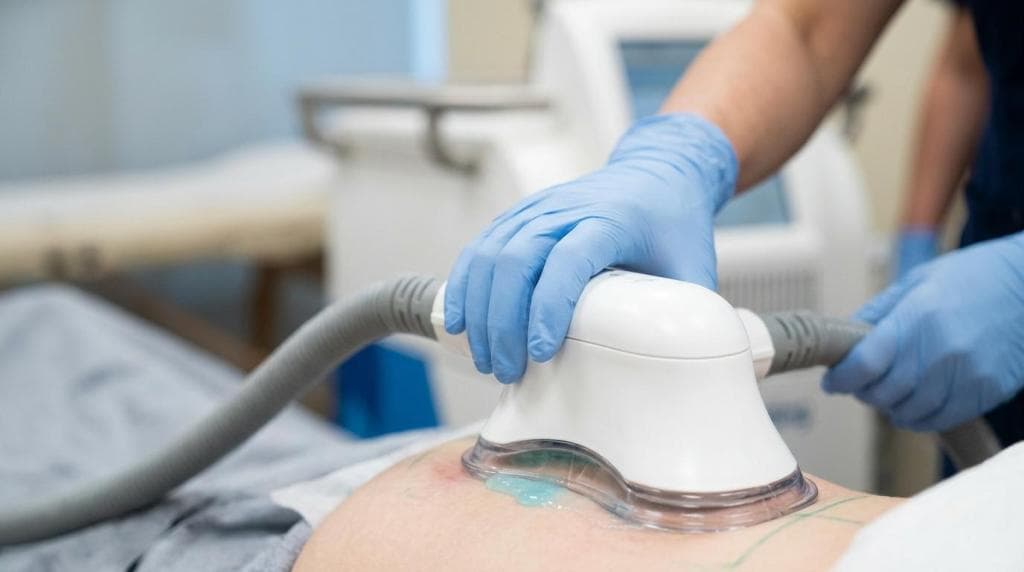
If you are looking for a CoolSculpting alternative, the biggest decision is whether you want a noninvasive treatment for a small bulge or a minimally invasive procedure built for broader contour change. TuLi is a minimally invasive body contouring procedure, while CoolSculpting is a noninvasive form of cryolipolysis used for localized, pinchable fat.
TL;DR: Summary
- TuLi is a CoolSculpting alternative for people who want more aggressive body contouring than cryolipolysis usually delivers, especially across multiple areas in one visit.
- CoolSculpting-style cryolipolysis is noninvasive and best suited to small, localized fat bulges, not weight loss or major reshaping.
- FDA and plastic surgery sources describe cryolipolysis as a cold-and-vacuum treatment that can take up to an hour per area and may require more than one session.
- Review data found average fat-thickness reduction in the millimeter range, while FDA documents a rare but serious cryolipolysis complication called paradoxical adipose hyperplasia.
- If your goal is subtle reduction with no incision, cryolipolysis may fit. If your goal is faster, broader sculpting with no general anesthesia, a minimally invasive option may fit better.
That distinction matters because many people compare treatments by marketing labels instead of treatment physics, tissue volume, and endpoint. FDA, American Society of Plastic Surgeons, Cleveland Clinic, and dermatology guidance all point to the same core idea: cryolipolysis is for focal fat reduction, not whole-body reshaping.
What is the main difference between TuLi and CoolSculpting?
TuLi and CoolSculpting differ most in treatment method and tissue impact. TuLi is minimally invasive body contouring aimed at broader sculpting, while CoolSculpting is noninvasive cryolipolysis that freezes pinchable fat through a vacuum applicator.
CoolSculpting belongs to the cryolipolysis category. According to the FDA and the American Society of Plastic Surgeons, the device draws a localized bulge into an applicator, cools it, and tries to reduce the visible bulge over time without surgery or anesthesia. That makes it appealing for patients who want low procedural intensity, but it also sets a ceiling on how much tissue can usually be addressed per treatment area.
A minimally invasive contouring procedure sits in a different category. It is still office-based and can avoid general anesthesia, yet it is designed for more direct contour change. Common misconception: if two treatments both “reduce fat,” they should produce roughly the same kind of result. In practice, noninvasive fat freezing and minimally invasive body contouring often serve different goals.
“TuLi is designed as a 15-minute, in-office body contouring option that can treat multiple areas without general anesthesia.”
Is CoolSculpting a good option for large fat areas or weight loss?
No, CoolSculpting is not intended for weight loss, and Cleveland Clinic plus the American Academy of Dermatology describe it as a treatment for small, localized bulges. If you want substantial reshaping across several areas, it is usually the wrong benchmark.
This is one of the most important points in any CoolSculpting comparison. Cleveland Clinic states that cryolipolysis is designed to reduce localized fat deposits that do not respond to diet and exercise, and it is not intended for people with obesity. The AAD adds that good candidates are usually close to a normal weight and have a small remaining bulge.
The evidence base also helps frame expectations. A 2023 review indexed in PubMed screened 246 results and included 18 U.S.-based cryolipolysis studies. Mean fat-thickness reduction was reported at 2.0 to 5.1 mm by ultrasound and 2.3 to 7 mm by body caliper. That can matter for a focal area, but it is not the same as major body reshaping. If your goal is visible waistline sculpting across a broad zone, then millimeter-scale average reduction may feel modest.
A practical tip is to define your target in inches, clothing fit, or silhouette change before you compare technologies. If your desired outcome is “smaller pinch,” cryolipolysis may be reasonable. If your desired outcome is “clear contour change,” your comparison set should be different.
What are the main CoolSculpting alternatives people compare?
The strongest alternatives depend on your goal. Minimally invasive contouring sits between noninvasive fat freezing and liposuction, while liposuction remains the reference point for maximum fat removal.
People often compare alternatives as if they all solve the same problem. They do not. The better comparison is by tissue volume, number of areas treated, anesthesia needs, and recovery expectations.
- TuLi: A minimally invasive body contouring procedure described as a 15-minute full-body treatment with no general anesthesia, no downtime, immediate return to normal activity, and the ability to treat multiple areas in one visit.
- Liposuction: The surgical benchmark for maximum fat removal and fine contour control, but it typically involves anesthesia, recovery, and more post-op requirements.
- Other nonsurgical fat reduction devices: This group includes cryolipolysis and other outpatient technologies used for focal adiposities or localized bulges rather than larger-scale reshaping.
How do the treatment methods actually work?
CoolSculpting uses cold energy and vacuum suction; minimally invasive contouring uses direct tissue access and sculpting. That difference changes treatment time, area flexibility, and the amount of tissue that can usually be addressed.
FDA guidance describes cryolipolysis as cooling fat cells inside a vacuum applicator after the targeted bulge is pulled into place. ASPS describes a similar workflow: the area is marked, a gel pad protects the skin, the applicator is selected based on curvature and size, and the tissue is vacuumed into the device. This is why “pinchable fat” matters so much. If a broad area does not fit the applicator well, treatment logic gets more complicated.
A minimally invasive procedure is not dependent on the same suction-and-freeze mechanism. That generally allows a different approach to sculpting, especially when several areas need coordinated change instead of isolated spot reduction. The trade-off is simple: less invasiveness usually means less procedural intensity, while more procedural intensity can allow more shaping power.
A useful question to ask at consultation is whether the method is designed around a single bulge fitting an applicator. That one detail often reveals whether the treatment is built for focal reduction or broader contour planning.
What happens during a CoolSculpting session step by step?
A CoolSculpting session follows a standardized sequence described by FDA and ASPS sources. The area is marked, protected, drawn into an applicator, cooled, and then monitored during recovery.
First, the clinician identifies a treatment area with localized adiposity and chooses an applicator based on size and curvature. Then the skin is protected with a gel pad and the bulge is pulled into the vacuum applicator. Cooling is applied for up to an hour, depending on the area and protocol.
After treatment, patients usually deal with temporary effects like numbness, tenderness, swelling, or bruising. A common misconception is that one session always settles the issue. The AAD notes that cryolipolysis usually requires two treatment sessions, which is one reason timing and total treatment planning matter more than the single-session price.
What happens during a TuLi session step by step?
TuLi is built around a fast, in-office workflow that emphasizes broad sculpting without general anesthesia. In practice, the visit centers on mapping treatment zones, treating multiple areas efficiently, and returning to normal activity the same day.
The first step is consultation and treatment planning. Instead of asking only where fat can be pinched into an applicator, the plan can focus on overall contour goals across the body. That matters when a patient wants several zones addressed in one session rather than isolated spot treatment.
The treatment itself is described as a 15-minute full-body procedure. Because it is designed as an in-office option without general anesthesia, the workflow is fundamentally different from a traditional operating room experience and different from waiting through long cooling cycles on one area at a time.
“TuLi was developed by double board-certified surgeon Dr. Martin Moskovitz and is offered as a 15-minute full-body treatment with no general anesthesia.”
Afterward, the stated expectation is immediate return to normal activity with no special post-op care. That is a meaningful middle ground for adults who want more than a noninvasive device usually offers but do not want the downtime profile associated with surgery.
How should you compare results, speed, and downtime?
CoolSculpting usually trades lower invasiveness for smaller, slower change; minimally invasive contouring trades a procedure-based approach for broader sculpting. The best fit depends on whether you value subtle reduction or faster, more visible contour change.
Speed matters in two ways: treatment time and time to endpoint. FDA materials note cryolipolysis can cool a treatment area for up to an hour, and AAD guidance says two sessions are common. If multiple body areas are involved, that can affect total chair time and total time to final result planning.
Results should also be measured correctly. The PubMed review shows mean fat-thickness changes in the millimeter range, which supports cryolipolysis as a localized bulge treatment. That is not bad data. It is just data that fits a narrow use case. A common mistake is comparing a noninvasive spot treatment against a minimally invasive contouring procedure as though both are designed to move the same amount of tissue.
Downtime is where the trade-off becomes more personal. Some patients want the lightest possible intervention even if the outcome is smaller. Others want the strongest contour change available without general anesthesia. Those are different priorities, and neither is automatically right for everyone.
How do you decide which option fits your body goals step by step?
The right choice starts with body goals, not device names. If you define the size of the bulge, the number of areas, and your tolerance for procedure intensity, the better option usually becomes obvious.
Start by being exact about the problem. Is it one focal pocket under the chin or at the flank, or is it a broader shape issue involving abdomen, waist, back, or thighs together? Then ask what outcome would satisfy you: slight reduction, visible slimming, or sculpted contour.
A simple decision framework helps:
- If your concern is small and localized: Cryolipolysis may match the evidence and the FDA-described use case.
- If you want multiple areas addressed in one visit: A minimally invasive contouring option may be more logical.
- If you want the largest possible volume change: Liposuction is still the benchmark.
- If avoiding general anesthesia is non-negotiable: Focus on office-based treatments that explicitly do not require it.
Another practical tip is to ask for a treatment plan by endpoint, not by session count alone. If one option needs repeated sessions for a modest change and another is designed for broader correction in a single visit, then the comparison should include time, total recovery demands, and the likely magnitude of visible change.
What risks and misconceptions should you know before choosing fat reduction?
Every fat-reduction method has limits, and cryolipolysis has a rare risk profile that is specific to fat freezing. FDA documents paradoxical adipose hyperplasia, while AAD notes rare long-term pain and even increased fat in the treated area.
Paradoxical adipose hyperplasia, or PAH, is the complication that most often changes the risk discussion around CoolSculpting-style treatments. The FDA states that PAH is unique to fat freezing, usually appears two to five months after treatment, does not go away on its own, and may require surgery. That matters because many patients assume a noninvasive treatment cannot create a surgical problem later.
The 2023 review found 4 PAH instances in 3,453 treatment cycles, so the event appears rare, but rare is not the same as irrelevant. If a patient would accept only very low procedural intensity and also has a low tolerance for even uncommon adverse outcomes, then this point deserves direct discussion rather than a quick mention.
One more misconception deserves attention: body contouring is not treatment for visceral fat, metabolic disease, or obesity. The entire category, whether noninvasive or minimally invasive, is aimed at shape. Once that is clear, patients tend to compare options more intelligently and with better expectations.
Why do treatment area and body shape matter so much in this comparison?
Treatment geometry matters because cryolipolysis is built around a vacuum applicator and localized bulge capture. Broad, uneven, or multi-zone contour goals often require a different strategy than a device made for focal fat pockets.
Cleveland Clinic lists FDA-approved areas for fat freezing that include the chin, upper arms, thighs, abdomen, flanks, upper back, lower back, and under the buttocks. That confirms cryolipolysis can be used in several parts of the body. Still, “many areas are treatable” is not the same as “many areas are best treated the same way.” Area approval does not erase the method’s core limitation: it is still designed to reduce the volume of a bulge, not to act like whole-body reshaping.
If your body goal depends on transitions between adjacent areas, method choice becomes more important. A patient trying to smooth the waistline from abdomen into flanks and back often needs a contour plan, not just a set of isolated treatment spots. That is where the difference between focal reduction and sculpting becomes most obvious.
Ready to take the next step?
Request a consultation with Dr. Moskovitz to discuss whether the TuLi procedure is right for you.
Request a Consultation