Uncategorized
TuLi vs Traditional Liposuction, Key Differences
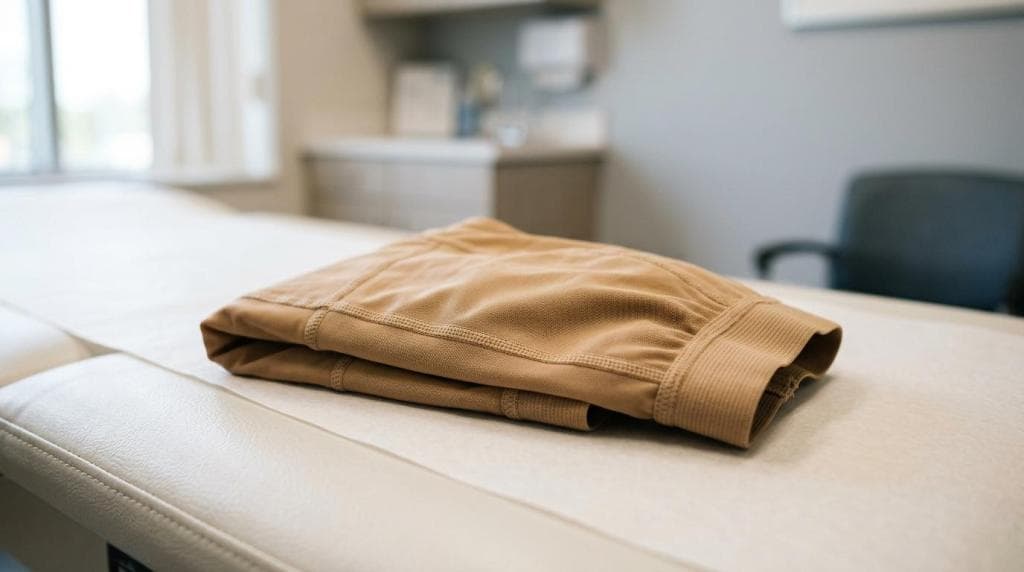
For adults thinking about body sculpting, the choice is often less about trends and more about real life. How much time can you take off work? Do you want anesthesia? Are you willing to deal with swelling, garments, and a longer healing window if it means a surgical procedure? Or do you want a faster in-office option that fits a busy schedule in Spring Valley or across the greater NY/NJ area?
That is where the comparison between TuLi and traditional liposuction becomes useful. Both are aimed at reducing unwanted fat and shaping the body, but they differ in how treatment is performed, what recovery looks like, and how the experience fits into daily life. For many people, those differences matter just as much as the end result.
Traditional Liposuction Procedure and Recovery
Traditional liposuction is a surgical fat removal procedure. The FDA describes liposuction as using a narrow vacuum-type device to remove fat through a small incision. Depending on the plan, liposuction may involve local anesthetic, regional anesthetic, or general anesthetic. Procedure time can range from shorter sessions to several hours, especially when more than one area is treated.
That surgical element shapes the full experience, not just the time in the procedure room. Liposuction often includes pre-op planning, anesthesia decisions, post-op monitoring, and a recovery period that can stretch well beyond the day of treatment. Some cases are office-based, including tumescent liposuction where a patient may stay awake, but even then recovery is not usually instant.
Swelling, bruising, soreness, and compression garments are common parts of the process. Mayo Clinic notes that people typically wear compression garments for a few weeks after liposuction, and a return to usual activities may also take several weeks. The American Academy of Dermatology says many patients still need a few days at home before going back to work after tumescent liposuction, which is often considered a less intense version than older surgical approaches.
That does not make liposuction a poor option. It remains a well-known surgical treatment for patients who want fat physically removed through a cannula-based procedure. It does mean that anyone comparing options should look beyond the phrase “body contouring” and ask what the treatment day, week, and month will actually feel like.
TuLi Minimally Invasive Body Contouring Features
TuLi is positioned very differently. Rather than following the classic surgical liposuction path, it is a minimally invasive body contouring treatment designed to reduce fat and sculpt contours in a fast, in-office setting. The standout features are simple and compelling: no anesthesia, no downtime, immediate return to normal activity, and the ability to treat multiple areas in one visit.
For adults balancing work, family, commuting, and social commitments, that can change the decision entirely. A treatment that does not require general anesthesia or a recovery week can feel much more realistic than planning surgery. That is especially true for patients in the NY/NJ area who want a visible body-sculpting option without pressing pause on daily life.
TuLi also sits apart from the category the FDA calls non-invasive body contouring. The FDA notes that non-invasive body contouring does not remove tissue from the body, and that results may not always produce the desired effect or may be temporary. TuLi is not simply another “no-surgery” device grouped into that category. It is described as a minimally invasive contouring treatment that aims for dramatic, lasting fat reduction with natural-looking results.
The distinction matters because many patients compare three very different paths at once:
- surgical liposuction
- non-invasive device treatments
- minimally invasive options like TuLi
Lumping them together can create confusion. TuLi is meant for people who want a more substantial body-sculpting result than many surface-level device treatments, while avoiding the anesthesia, downtime, and longer healing process tied to standard liposuction.
TuLi vs Traditional Liposuction Comparison Table
A side-by-side view makes the differences easier to sort through.
| Feature | Traditional Liposuction | TuLi |
|---|---|---|
| Treatment type | Surgical fat removal | Minimally invasive body contouring |
| How fat is addressed | Fat removed through a small incision using a narrow vacuum-type device | Designed for dramatic fat reduction and sculpted contours |
| Anesthesia | May involve local, regional, or general anesthesia | No anesthesia |
| Procedure length | May last several hours depending on treatment areas | Fast in-office treatment, described as a 15-minute full-body treatment |
| Downtime | Days to weeks depending on the procedure | No downtime |
| Return to activity | Often delayed by soreness, swelling, and recovery needs | Immediate return to normal activity |
| Aftercare | Compression garments and post-op care are common | No special post-op care |
| Number of areas | Can treat multiple areas, though treatment planning and recovery may be more involved | Multiple areas can be treated in one visit |
| Recovery experience | Bruising, swelling, monitoring, healing period | Designed for minimal disruption to daily life |
| Results profile | Surgical contour change | Lasting, natural-looking sculpted results |
Downtime, Anesthesia, and Daily Life Fit
This is often the deciding section for busy adults.
Someone considering liposuction has to be ready for the full surgical package. Even when the procedure is not done under general anesthesia, there is still a healing phase. Compression garments can remain part of everyday life for weeks. Swelling may peak after the procedure and fade gradually. Social plans, workouts, childcare routines, and work obligations may need to shift.
TuLi appeals to a very different set of priorities. A patient who wants visible contour improvement without stepping away from normal life may see real value in an option that avoids anesthesia and downtime. That is not a small convenience. It changes how treatment fits into the calendar, budget, and mental load of the process.
For many adults in Spring Valley and the surrounding region, convenience is not superficial. It can be the factor that makes treatment possible at all.
A few lifestyle questions tend to bring the contrast into focus:
- Time away from work
- Comfort with anesthesia
- Willingness to wear compression garments
- Tolerance for swelling and bruising
- Need to treat several areas in one appointment
Body Sculpting Results and Expectations
Results matter, but the word “results” means different things depending on the method.
With traditional liposuction, the selling point is direct surgical fat removal. That can make it appealing to patients who are comfortable with an operation and want that established surgical route. Yet the stronger procedure comes with stronger recovery demands. People are often prepared for the operating room, but less prepared for how long swelling, tenderness, and garment use may linger.
With non-invasive device treatments, the appeal is usually low disruption. The tradeoff is that the FDA notes these methods do not remove tissue and may not always create the effect a patient wants, or the changes may be temporary. That can leave some adults feeling stuck between a larger surgical step and a lighter treatment that may not go far enough.
TuLi is often attractive in that middle ground. It is intended for people who want more meaningful fat reduction and contouring than many non-invasive options offer, while avoiding the anesthesia and downtime commonly associated with liposuction. The claim of lasting, natural-looking results is a major reason people look closely at it when they want shape change without a long recovery window.
Multiple Treatment Areas in One Visit
One of the strongest practical differences is scope. Many patients do not want to improve just one small zone. They may be thinking about the abdomen, flanks, back, thighs, arms, or under-chin fullness as part of the same body-shaping goal.
Traditional liposuction can address multiple areas, but the broader the surgical plan becomes, the more the procedure, anesthesia, and recovery conversation matters. More areas can mean a longer treatment day and a more involved healing period.
TuLi is built around efficiency. The ability to treat multiple areas in one visit, without general anesthesia and without downtime, speaks directly to people who want a full-body strategy rather than a slow sequence of separate treatments. In a region where schedules are packed and travel time matters, that efficiency can be a deciding factor.
Spring Valley and Greater NY/NJ Body Contouring Priorities
Patients in Spring Valley, NY and nearby communities often come in with a practical mindset. They are not only asking, “Will this reduce fat?” They are also asking, “Can I do this without losing a week of my life?”
That perspective makes the TuLi versus liposuction conversation especially relevant in this market. Professionals, parents, caregivers, and active adults often want an option that works with a full calendar. A procedure that demands anesthesia, garment use, and a slower ramp back into normal activity may still be the right fit for some, but it is no longer the only path to meaningful contour change.
In that setting, TuLi stands out because it meets a very specific need: a fast in-office treatment with no anesthesia, no downtime, and natural-looking sculpting that can address several areas at once.
Questions to Ask at a Body Contouring Consultation
Before choosing either route, it helps to ask direct questions. A good consultation should clarify not only what can be treated, but how the experience will fit your body goals and your schedule.
- Ask about anesthesia: Will the treatment require local, regional, or general anesthesia?
- Ask about downtime: When can normal work, exercise, and family routines resume?
- Ask about aftercare: Will compression garments or special post-op care be needed?
- Ask about treatment scope: Can multiple areas be treated in one visit?
- Ask about results timeline: When will contour changes be visible, and how long are results expected to last?
The strongest body contouring plan is usually the one that matches both the physical goal and the pace of a person’s life. For some adults, that points toward surgery. For others, especially those looking for a liposuction alternative in Spring Valley or the greater NY/NJ area, TuLi offers a more practical path to fat reduction and body sculpting without the disruption that often comes with traditional liposuction.
Ready to take the next step?
Request a consultation with Dr. Moskovitz to discuss whether the TuLi procedure is right for you.
Request a Consultation