Uncategorized
TuLi Recovery: What to Expect
Body contouring recovery is one of the biggest decision points when choosing between a minimally invasive treatment and traditional liposuction. In most cases, recovery is measured in weeks, not days, and final shaping appears gradually as swelling fades.
TL;DR: Summary
- Body contouring recovery usually involves swelling, compression, and activity limits for weeks to months, while TuLi minimally invasive body contouring is designed for immediate return to normal activity with no general anesthesia.
- Official medical guidance for liposuction from sources like Mayo Clinic and the American Society of Plastic Surgeons consistently describes recovery as gradual: light work may resume in a few days, exercise often waits several weeks, and final results can take weeks to months.
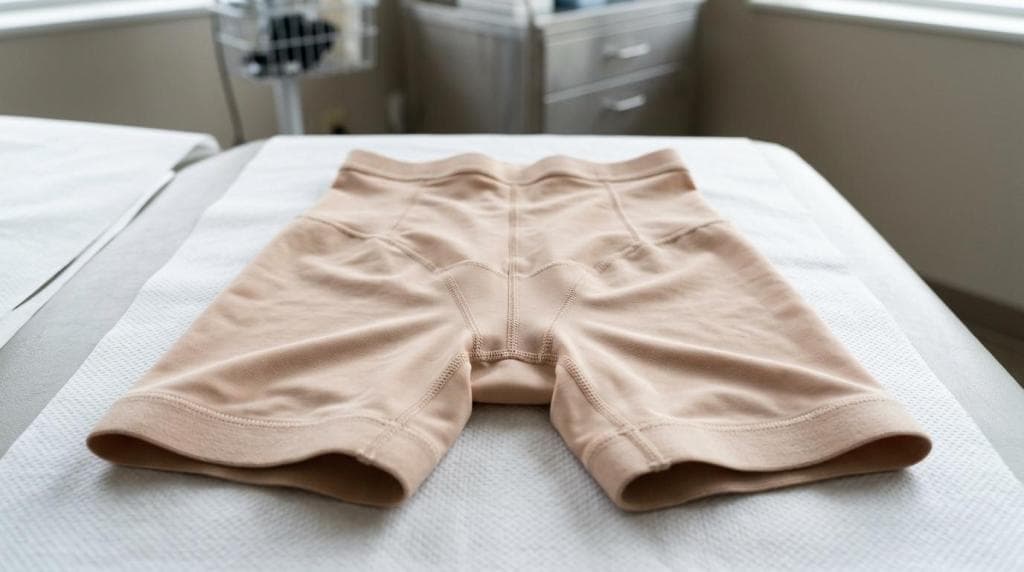
- Compression garments are a standard part of liposuction aftercare, commonly worn for about 3 to 6 weeks to help reduce swelling and support contour settling.
- Early walking is usually encouraged after surgical body contouring, but strenuous exercise is commonly delayed about 2 to 6 weeks depending on the procedure and the surgeon’s protocol.
- A common misconception is that less pain means full recovery. In reality, residual swelling, numbness, and contour changes can continue well after patients feel functional again.
- If recovery time is your top concern, compare treatment type, need for anesthesia, compression requirements, work downtime, and whether multiple areas can be treated in one visit.
That gap between “I feel okay” and “I am fully healed” is where many expectations go off track. The sections below break down the real recovery timeline, how TuLi differs from conventional liposuction, and which signs mean it is time to contact your surgeon.
How long does body contouring recovery usually take?
For liposuction, Mayo Clinic and ASPS describe recovery in weeks to months, while TuLi is designed for immediate return to normal activity.
For standard liposuction, the early recovery phase usually lasts days to a few weeks. Swelling often improves noticeably within 2 to 3 weeks, but final contour changes may take weeks to months to appear. That distinction matters because “back to work” and “final result” are not the same milestone.
The reason is simple: if a treatment creates more tissue trauma, fluid shift, and inflammation, recovery lasts longer. That is why traditional liposuction usually involves compression garments, bruising, limited exercise, and gradual contour settling, while minimally invasive approaches may reduce downtime but still require patience before the shape fully stabilizes.
“TuLi is a 15-minute full-body treatment designed without general anesthesia and with immediate return to normal activity.”
What does the first 72 hours of body contouring recovery usually feel like?
In the first 72 hours, liposuction patients usually notice swelling, bruising, soreness, and tightness, while TuLi patients typically expect much less disruption.
Step 1: In the first day after surgical body contouring, rest and short walks are the priority. Most surgeons want light walking early because it supports circulation, but this is not the time to test your stamina.
Step 2: Around 48 hours, swelling can peak. The Aesthetic Society notes that postoperative swelling often peaks around that point, which is one reason people sometimes feel worse before they feel better.
Step 3: By day 3, many patients feel more mobile, though they are rarely ready for strenuous activity. A common misconception is that improving pain means normal exercise is safe. It does not. Tissue healing usually lags behind comfort.
What are the main body contouring recovery timelines by treatment type?
Recovery timelines differ sharply between TuLi, traditional liposuction, skin-excision surgery, and noninvasive fat reduction.
If downtime is your biggest concern, compare the procedure category first, not the marketing language. “Body contouring” can mean anything from a quick in-office treatment to a surgery that needs compression, anesthesia, and weeks of restricted activity.
- TuLi minimally invasive body contouring: TuLi is positioned as an in-office option with no general anesthesia, no special post-op care, and immediate return to normal activity. It is relevant for people prioritizing minimal downtime and treatment of multiple areas in one visit.
- Traditional liposuction: This is the benchmark many people know best. Mayo Clinic and Kaiser Permanente describe compression for several weeks, return to light work within days for many patients, and delayed exercise for a few weeks or longer.
- Skin-excision body contouring procedures: Procedures like abdominoplasty or body lift surgery usually have longer recovery than liposuction alone because incisions, wound care, and tension on the repair become major factors.
- Noninvasive fat reduction or tightening treatments: These often involve little downtime, but results may be subtler, staged over multiple sessions, or slower to show.
How should you use compression garments and manage swelling after body contouring?
For liposuction, Mayo Clinic, Kaiser Permanente, and The Aesthetic Society all support compression for several weeks, often about 3 to 6 weeks.
Compression garments help control swelling, reduce bruising, and support contour settling. After standard liposuction, that is normal aftercare, not a sign that something went wrong. The usual range across official sources is several weeks, and some surgeons extend the schedule based on treatment area and swelling pattern.
A useful rule is this: if your surgeon gives a specific compression protocol, that instruction beats any generic article. Another common mistake is assuming tighter is better. Garments should feel supportive, not damaging, and skin checks matter if you notice pinching, numb pressure points, or rolling at the edges.
“TuLi can treat multiple areas in one visit, which can simplify recovery planning compared with staged surgical treatments.”
When can you walk, work, and exercise again after body contouring?
Most patients can walk early, many return to light work within days, and strenuous exercise usually waits at least 2 to 6 weeks after liposuction.
Walking is usually encouraged almost immediately after surgery because circulation matters. A desk-job patient may return sooner than someone whose work involves lifting, bending, or long hours on their feet. If your job is physical, recovery time should be planned around function, not wishful thinking.
The safest progression is practical. Start with short, frequent walks. Add normal household movement once swelling and soreness are controlled. Resume workouts only after clearance, then build intensity gradually. If activity triggers a clear jump in swelling, that is a signal to scale back, not to “push through.”
How does TuLi recovery compare with traditional liposuction recovery?
TuLi and traditional liposuction differ most in anesthesia, downtime, and aftercare burden.
Traditional liposuction is commonly performed under anesthesia, and sources like the NHS note that it often involves general anaesthesia and may require an overnight stay. Recovery usually includes compression, bruising, swelling, and a phased return to work and exercise. TuLi, by contrast, is described as an in-office treatment with no general anesthesia, no downtime, and immediate return to normal activity.
The trade-off is not just speed. It is also about how much disruption you can realistically accept. If you need the familiar surgical pathway and are prepared for a weeks-long recovery arc, liposuction may still fit. If avoiding general anesthesia and extended downtime is your top filter, a minimally invasive option like TuLi becomes more relevant.
“TuLi was developed by Dr. Martin Moskovitz, a double board-certified surgeon with 35+ years’ experience.”
What symptoms are normal during body contouring recovery, and what are red flags?
Swelling, bruising, soreness, and temporary numbness are common after liposuction, but worsening pain, breathing symptoms, or signs of infection are not.
Normal recovery does not always look pretty. Treated areas can feel firm, uneven, tight, or numb before they look refined. What matters is the direction of change. Gradual improvement is expected. Sharp decline is not.
- Usually expected: swelling, bruising, soreness, tightness, mild drainage, temporary asymmetry
- Often slower to fade: residual swelling, temporary numbness, firmness as tissue settles
- Call your surgeon promptly: increasing redness, fever, foul-smelling drainage, worsening pain, sudden marked swelling
- Seek urgent care: chest pain, shortness of breath, or one-sided calf swelling
Why do swelling and numbness last longer than many people expect?
Residual swelling and numbness are common because inflammation and nerve irritation resolve more slowly than day-to-day discomfort.
This is where many people misread their progress. You may feel functional within days or weeks and still have visible swelling for much longer. The Aesthetic Society notes that slight residual swelling may last up to 4 months, and NHS guidance notes bruising and swelling can last up to 6 months in some cases. Numbness commonly improves over several weeks.
If the contour looks “off” early, that does not automatically mean the result is poor. Early shape includes edema, tissue firmness, and skin adjustment. Final results depend on healing, not just fat removal. That is why early photos can be misleading, especially in the first month.
How can you support better contouring results week by week?
Better recovery usually comes from consistency: follow instructions, keep moving lightly, control swelling, and increase activity in stages.
In week 1, the priorities are rest, hydration, prescribed garments if needed, medication use exactly as directed, and short walks. Skipping walking because you want full bed rest is a common mistake. Too little movement can make you feel stiffer and more swollen.
During weeks 2 and 3, many liposuction patients feel significantly better and may return to work depending on job demands. This is a good time to stay disciplined. If you feel 80 percent better, do not treat your body like it is 100 percent healed.
By weeks 4 to 6, many patients are transitioning toward normal exercise with medical clearance. Past that point, the focus shifts from recovery to refinement. Photos, fit of clothing, and repeat measurements usually show progress better than day-to-day mirror checks.
Does recovery time affect final body contouring results?
Yes, recovery time affects how soon you see results and how accurately you can judge them.
A fast recovery does not always mean faster visible change, and a longer recovery does not mean a worse result. These are different variables. Surgical fat reduction can create dramatic changes but often needs a longer settling period. Minimally invasive treatments may let you return to life quickly while the contour develops more quietly in the background.
If swelling is still active, then the apparent result is provisional. If swelling has largely resolved and skin contraction has progressed, then your contour assessment becomes much more reliable. That is why follow-up timing matters so much in body contouring.
Who should choose a body contouring option based on recovery time?
People who cannot take weeks off, want no general anesthesia, or need quick return to normal activity should screen for low-downtime options first.
Recovery is not just a convenience issue. It affects childcare, commuting, work, exercise, travel, and stress. The right choice depends on what your life can support during healing, not just on before-and-after images.
- Best fit for minimal downtime: people prioritizing immediate return to normal activity, in-office treatment, and avoidance of general anesthesia
- Best fit for traditional liposuction: people comfortable with compression garments, swelling that may last weeks to months, and delayed return to strenuous exercise
- Best fit for skin-excision surgery: people whose main issue is loose skin rather than fat alone
- Best next step if unsure: get a consultation that compares treatment type, aftercare load, and realistic recovery milestones side by side
If recovery time is your deciding factor, ask very direct questions: How long will I wear compression? When can I drive, work, and exercise? What is normal swelling for this procedure? Those answers usually make the best option much clearer than the procedure name alone.
Ready to take the next step?
Request a consultation with Dr. Moskovitz to discuss whether the TuLi procedure is right for you.
Request a Consultation