Uncategorized
Is Non Surgical Liposuction Really Possible?
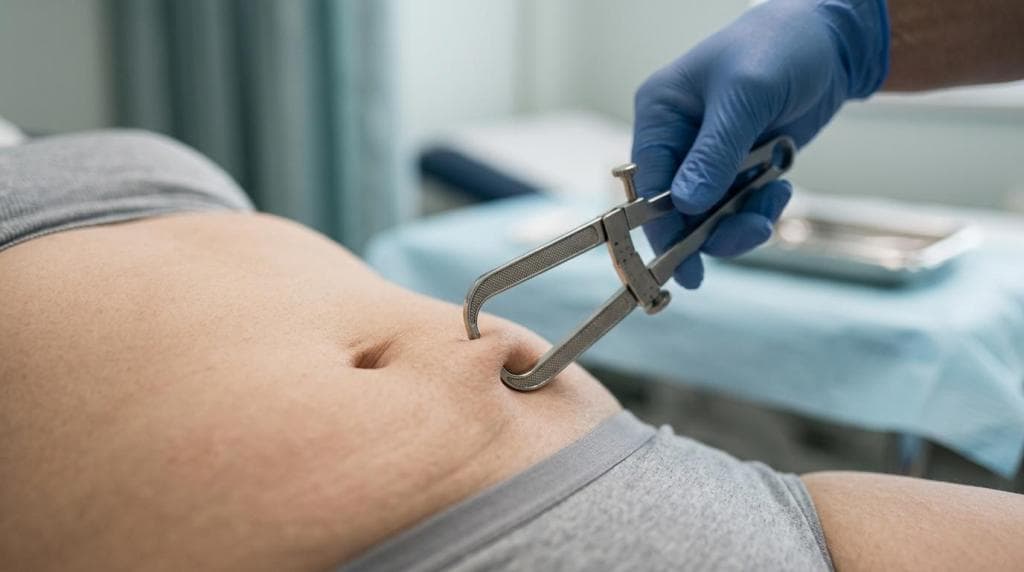
Many people ask whether “non surgical liposuction” is real because the phrase appears everywhere in body contouring ads and search results. The short answer is no: true liposuction is a surgical procedure, while so-called non-surgical liposuction usually means fat-reduction treatments that shrink or destroy fat cells without surgically suctioning tissue out.
TL;DR: Summary
- Non surgical liposuction is not literally liposuction. The FDA distinguishes non-invasive body contouring from liposuction because liposuction removes fat through a small incision, while non-invasive treatments do not remove tissue from the body.
- Most “non surgical liposuction” options are best for minor fat reduction, small subcutaneous fat bulges, and patients already near a healthy body weight, according to ISAPS and Cleveland Clinic guidance.
- If you want larger-volume fat removal or sharper contour precision, liposuction is usually the better fit. If you want less downtime and accept more modest or gradual change, non-invasive or minimally invasive contouring may make more sense.
- The key decision points are treatment depth, amount of fat, skin quality, downtime tolerance, and whether you want one more aggressive procedure or a less invasive plan.
- Minimally invasive options, including treatments like TuLi, sit between device-only contouring and surgical liposuction by targeting more tissue without general anesthesia or traditional surgical downtime.
The better question is not whether non surgical liposuction exists, but which fat-reduction category matches your goals. Once you separate non-invasive body contouring, minimally invasive contouring, and surgical liposuction, the trade-offs become much easier to judge.
Is non surgical liposuction really possible?
No. The FDA separates non-invasive body contouring from liposuction because liposuction removes fat with a vacuum-type device through a small incision, while non-invasive treatments do not remove tissue from the body.
That distinction matters because the phrase “non surgical liposuction” is mostly consumer shorthand, not a technical medical term. In practice, it often refers to lipolysis or body contouring methods that use cold, heat, laser energy, radiofrequency, or ultrasound to damage fat cells so the body can process them over time.
A second source of confusion is that some treatments are minimally invasive rather than fully non-invasive. They may involve a small access point or internal energy delivery, yet still avoid general anesthesia and lengthy recovery.
“TuLi is a 15-minute full-body, in-office body contouring treatment with no general anesthesia and no downtime.”
If you are comparing options, start by asking a simple if-then question: if fat is physically removed during the procedure, that is liposuction or a liposuction-adjacent intervention; if no tissue is extracted, it belongs in the body-contouring category instead.
How is non-invasive body contouring different from liposuction?
They are different in mechanism and scale. The FDA and Cleveland Clinic describe non-invasive body contouring as external fat reduction, while liposuction is a surgical fat-removal procedure.
Liposuction physically extracts fat cells from a chosen area. That gives it an advantage when larger volumes or sharper contour changes are the goal. It also comes with more procedural intensity, more recovery, and a broader risk profile.
Non-invasive contouring does not pull tissue out of the body. Instead, it targets subcutaneous fat under the skin surface, usually for smaller bulges. Results tend to be more gradual because the body has to clear damaged fat cells over time.
A common misconception is that this makes non-invasive treatment “weaker” in every case. That is not quite right. If the goal is a modest reduction in a localized area with minimal interruption to work or family life, the less invasive option may be the smarter choice.
What are the main non surgical liposuction alternatives?
The main alternatives are cryolipolysis, radiofrequency, laser-based lipolysis, ultrasound-based contouring, and minimally invasive contouring platforms such as TuLi or BodyTite.
These options vary more than many people realize. Some are fully external and best for smaller contour changes. Others are minimally invasive and aim to bridge the gap between non-invasive devices and traditional liposuction.
- TuLi: a minimally invasive body contouring treatment designed for dramatic fat reduction without general anesthesia, with multiple areas treated in one visit.
- Cryolipolysis: cold-based fat reduction used for localized fat bulges in patients near a healthy body weight.
- Radiofrequency contouring: heat-based treatment that can reduce some fat and may also help with mild skin tightening.
- Laser-based fat reduction: external or minimally invasive laser approaches used for targeted contour change rather than large-volume removal.
- Ultrasound-based contouring: focused energy aimed at subcutaneous fat, generally for minor reduction rather than surgical-level debulking.
The practical takeaway is simple. If your goal is to smooth a small bulge, non-invasive technology may be enough. If you want more tissue treated in less time but still want to avoid general anesthesia, a minimally invasive option may deserve a closer look.
Who is a good candidate for non surgical fat reduction?
The best candidates are usually adults near a healthy body weight with stable habits and small, pinchable areas of subcutaneous fat, according to ISAPS guidance.
These treatments are body-shaping tools, not weight-loss tools. Cleveland Clinic makes that point clearly: body contouring usually helps shape specific areas rather than reduce overall body weight.
Skin quality also matters. If skin laxity is significant, reducing fat alone can leave an area looking less firm than expected. If the concern is visceral fat, the deeper fat around organs, external contouring treatments are not the answer because they target subcutaneous fat under the skin.
A pro tip many patients miss: stable weight matters almost as much as device choice. If weight is still moving up or down, it is hard to judge your baseline and harder to preserve the contour you paid for.
How do you choose between non-invasive, minimally invasive, and surgical fat removal?
Choose based on fat volume, precision needs, and downtime tolerance. Cleveland Clinic and ISAPS both point toward liposuction for larger-volume or more precise sculpting, while non-invasive treatments fit smaller reductions.
If your main goal is convenience, the decision often narrows quickly. Non-invasive treatments usually offer the easiest recovery but the most modest change. Liposuction usually offers the strongest single-procedure change but asks more of you in recovery and aftercare.
Minimally invasive body contouring sits in the middle. That category is worth attention if you want a more substantial contour change than a device-only treatment may deliver, but you do not want general anesthesia or a traditional surgical recovery.
“TuLi can treat multiple areas in one visit and targets up to 3–4x more tissue per session.”
If-then logic helps here. If you want the least interruption to daily life, look first at non-invasive options. If you want a larger contour change and accept a procedure, liposuction rises. If you want middle-ground intensity with in-office treatment, minimally invasive contouring may be the best match.
What results can you realistically expect, and how long do they take?
Expect modest, localized improvement from non-invasive treatments and more dramatic change from liposuction or stronger minimally invasive approaches. ISAPS describes non-surgical body contouring as minor fat reduction.
Timing is different too. With non-invasive fat reduction, visible change often develops over several weeks to months because the body gradually processes treated fat cells. With liposuction, the structural change is immediate, although swelling can delay the final look. Minimally invasive treatments may fall between those two patterns.
The safest way to set expectations is to think in categories, not marketing promises.
- Non-invasive devices: best for small fat bulges and gradual contour change.
- Minimally invasive contouring: better when you want more tissue targeted without a classic surgery setup.
- Liposuction: best for larger-volume removal and sharper sculpting.
- Long-term maintenance: treated fat cells are reduced, but remaining fat cells can still enlarge if weight increases.
Another common misconception is that any of these methods can “spot reduce” overall body weight. They cannot. They change shape in selected areas, not your whole metabolism.
How do you evaluate a non surgical fat reduction plan in 3 steps?
Start with the area, the amount of fat, and the level of change you want. FDA-cleared device categories and a careful in-person exam should guide the plan, not broad marketing terms.
Step 1 is defining the problem precisely. Is it lower abdomen fullness, flank bulges, bra-line fat, under-chin fullness, or diffuse excess across several zones? The more specific the target area, the easier it is to judge whether minor reduction is enough.
Step 2 is matching the technology to the tissue. If the fat pocket is small and well localized, non-invasive treatment may be enough. If several areas need stronger debulking, a minimally invasive option may fit better. If the amount is large or precision matters a great deal, liposuction usually becomes the benchmark.
Step 3 is checking the treatment map. Ask how many areas can be treated, how many sessions are typical, when photos are repeated, and what the follow-up plan looks like. A solid plan should sound like a protocol, not a slogan.
How should you compare recovery, risk, and downtime in 3 steps?
Compare downtime honestly, not literally. Cleveland Clinic notes that surgery usually gives more noticeable results but also brings more risks and longer recovery.
Step 1 is translating “no downtime” into real life. You may still have temporary swelling, tenderness, numbness, or sensitivity even when normal activity is allowed the same day. That is not a contradiction. It is just a different recovery profile.
Step 2 is matching recovery burden to the result you want. Non-invasive treatments usually have the lightest downtime but also the lightest contour change. Surgical liposuction asks more in recovery and aftercare, yet often delivers a stronger one-time change.
Step 3 is checking your calendar. If you cannot pause work, childcare, training, or travel, that practical limit should shape the plan. A treatment that fits your week often produces a better overall experience than a stronger procedure you cannot realistically recover from well.
How can you screen a body contouring provider safely in 3 steps?
Verify credentials, facility standards, and device indication first. FDA authorization for intended use matters, and provider training matters even more once a treatment becomes minimally invasive.
Step 1 is checking who is doing the treatment and where. For liposuction or minimally invasive contouring, look for relevant board certification and an accredited facility. Facility accreditation is an overlooked safety signal because it points to documented standards for staffing, equipment, and protocols.
Step 2 is checking whether the technology is actually meant for your body area. FDA review of non-invasive body contouring devices is tied to intended uses and body sites, so it is reasonable to ask whether the specific treatment is authorized for the area you want treated.
“TuLi was developed by a double board-certified surgeon with 35+ years’ experience and is offered in a Quad A accredited surgical facility.”
Step 3 is reviewing the consult itself. A careful provider should discuss candidacy limits, the possibility that you may need surgery for your goal, expected after-effects, and why one method is being recommended over another. If a consult skips trade-offs, keep looking.
When does liposuction make more sense than non-surgical treatment?
Liposuction makes more sense when you need larger-volume removal, higher precision, or a stronger one-time contour change. ISAPS and Cleveland Clinic both frame it as the better fit for more exact sculpting.
This often applies to patients with multiple pronounced fat deposits, people who have already tried device-based contouring without enough change, or anyone who wants a more aggressive reshaping plan. It can also make sense when a surgeon needs precise control over where fat is removed.
Non-surgical or minimally invasive contouring still has a strong place. It can be a smart first choice if your fat bulges are modest, your weight is stable, and you care more about low downtime than maximum debulking.
The most useful question is not “Which treatment is best?” It is “Which category fits my anatomy, timeline, and tolerance for recovery?” Once that answer is clear, the right treatment usually becomes much easier to see.
Ready to take the next step?
Request a consultation with Dr. Moskovitz to discuss whether the TuLi procedure is right for you.
Request a Consultation