Uncategorized
How Tumescent Liposuction Compares
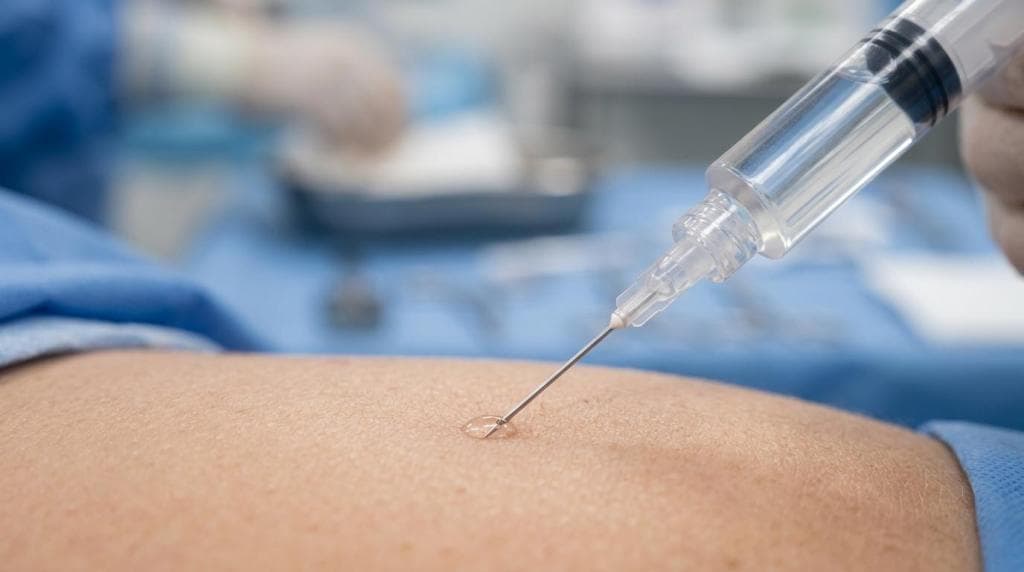
Tumescent liposuction is often the benchmark for modern fat removal because it changes the tissue before suction starts, not just the tool used to remove fat. The real comparison is not simply tumescent versus non-tumescent. It is office-based local treatment versus deeper anesthesia, smaller-volume contouring versus larger-volume removal, and shorter recovery versus broader surgical scope.
TL;DR: Summary
- Tumescent liposuction compares well with traditional liposuction because its saline-based wetting solution, usually with lidocaine and epinephrine, makes fat easier to remove and reduces bleeding and bruising.
- The main advantage of tumescent anesthesia is lower anesthetic intensity in many smaller cases, but it is not automatically safer in every case because lidocaine dose, fluid shifts, and total aspirate still matter.
- For larger-volume liposuction, ASPS guidance warns that lidocaine toxicity becomes a real planning issue and notes that cases above 5,000 cc total aspirate should be done in an acute-care hospital or accredited or licensed facility.
- Recent evidence remains reassuring: a 2024 meta-analysis of 39 studies and 29,368 patients found an overall liposuction complication rate of 2.62%, with contour deformity the most common complication at 2.35%.
- If your priority is modest fat reduction with less downtime, tumescent or local approaches may fit well. If you need major volume removal, skin excision, or combined surgery, a more traditional surgical plan may be more appropriate.
- Alternatives like TuLi matter when patients want a liposuction alternative with no general anesthesia, immediate return to activity, and treatment of multiple areas in one visit.
That distinction matters because patients often compare methods by marketing labels instead of by safety variables. Mayo Clinic, ASPS, and recent academic reviews all point to the same core idea: the wetting solution helps, but patient selection, dose limits, and procedure volume drive outcomes.
What is tumescent liposuction and how does it work?
Tumescent liposuction uses a saline-based wetting solution with lidocaine and epinephrine to firm the treatment area before suction. Mayo Clinic and ASPS both describe this step as the reason fat removal becomes easier and bleeding is reduced.
The term tumescent means the tissue is infiltrated until it becomes swollen, firm, and easier to treat. A typical solution includes saline, a local anesthetic such as lidocaine, epinephrine to constrict blood vessels, and sometimes sodium bicarbonate to reduce the sting of infiltration. Once the area is tumesced, a cannula removes fat more smoothly than it would in untreated tissue.
This is why the technique became so influential. The solution hydrates fat, narrows small blood vessels, and can provide prolonged postoperative pain control when dosing is handled correctly. A common misconception is that the cannula does all the work; in practice, the wetting solution is a big part of why the procedure behaves differently.
“TuLi is designed as a 15-minute full-body treatment with no general anesthesia and no downtime.”
That said, tumescent liposuction is still surgery. The fact that it can be done with local anesthesia in some cases does not erase the need for careful monitoring, dose planning, sterile technique, and a facility appropriate for the intended procedure volume.
How does tumescent liposuction compare with liposuction under general anesthesia?
Tumescent liposuction usually reduces anesthetic intensity compared with general anesthesia, while general anesthesia can make larger or more complex cases easier to manage. ASPS and Mayo Clinic both frame the choice around case size and setting, not convenience alone.
In a smaller, focused body contouring case, local or tumescent anesthesia can let patients avoid general anesthesia and its recovery demands. That often means less grogginess, less nausea risk, and a faster return to routine activity. It can also make office-based treatment practical when only a limited amount of fat is being removed.
General anesthesia still has a clear place. If the aspirate volume is high, if several body areas are being treated aggressively, or if liposuction is combined with another operation, anesthesia needs change. A practical point: “less anesthesia” is not the same as “no risk.” With tumescent cases, the surgeon must still think about lidocaine absorption, fluid balance, and the patient’s cardiovascular status.
The best question is not which method is “better” in the abstract. It is which method best matches the amount of tissue to be treated, the patient’s health profile, and the recovery they can tolerate.
What are the main alternatives to compare with tumescent liposuction?
The most useful comparisons are TuLi, suction-assisted liposuction under general anesthesia, laser-assisted liposuction, power-assisted liposuction, and noninvasive fat reduction. Each option solves a different problem, so the right benchmark depends on volume, downtime, and the need for surgery.
If a patient is mainly trying to avoid anesthesia and downtime, the comparison set is different from someone seeking larger-volume fat removal. That is where many consultations become clearer. You are not just choosing a device. You are choosing a treatment pathway.
- TuLi minimally invasive body contouring: A liposuction alternative for adults who want office-based fat reduction, no general anesthesia, and immediate return to normal activity.
- Suction-assisted liposuction under general anesthesia: A standard surgical choice for larger-volume removal or broader contouring goals.
- Laser-assisted liposuction: Adds thermal energy to fat treatment, which may suit select small areas but introduces heat-related trade-offs.
- Power-assisted liposuction: Uses a mechanically vibrating cannula that can help in fibrous areas like the back or male chest.
- Noninvasive fat reduction: Best for smaller changes over time, not major one-session debulking.
A neutral way to compare these options is to ask four things: how much fat needs to be removed, how much downtime is acceptable, whether skin excision is also needed, and whether the patient wants or should avoid general anesthesia. That framework usually reveals the right category quickly.
How is a tumescent liposuction procedure performed step by step?
Tumescent liposuction follows a predictable sequence: marking, infiltration, waiting for tissue effect, suction, and compression. Mayo Clinic’s description of suction-assisted liposuction fits this workflow closely.
Step 1 is mapping. The surgeon marks standing contours, asymmetries, and target zones before the patient lies down. This seems simple, but it is where contour quality begins. Poor markings often lead to the kind of contour irregularity reported most often in outcome studies.
Step 2 is infiltration. The wetting solution is introduced through small access points until the fat layer becomes firm and expanded. Then there is usually a short waiting period so vasoconstriction and local anesthetic effect can take hold. Rushing this phase is a common error because the tissue has not fully responded yet.
Step 3 is aspiration. A cannula removes fat in controlled passes, usually from deep to more superficial planes as needed. Good technique is not about removing the most fat possible. It is about removing the right amount evenly while preserving smooth transitions.
“TuLi can treat multiple areas in one visit and requires no special post-op care.”
Step 4 is immediate aftercare. Compression garments, drainage expectations, mobility, and follow-up timing are set before the patient leaves. If the plan is clear on the front end, recovery tends to feel far more predictable.
How do wet, super-wet, and true tumescent techniques compare?
Wet, super-wet, and true tumescent techniques are related but not identical. ASPS describes wet and super-wet methods as infiltrated approaches that reduce bleeding, while classic tumescent treatment generally uses more solution until the tissue becomes distinctly firm.
The shared logic is the same: inject fluid to hydrate fat and constrict capillaries before suction. That improves extraction and usually reduces visible bleeding and bruising. The main difference is degree. Super-wet often uses less infiltrate than classic tumescent treatment, which can affect anesthesia planning and how much local anesthetic is carried in the field.
A common misconception is that these labels are interchangeable. They are not. If the procedure plan changes from a largely local tumescent case to a case relying more on sedation or general anesthesia, the practical experience and monitoring needs change with it.
This is why precise language matters in consultations. The patient should know whether “tumescent” is being used as a strict anesthesia technique, a fluid infiltration style, or a broad marketing phrase for liposuction with wetting solution.
Who is a good candidate for tumescent liposuction?
The best candidates are healthy adults with localized fat deposits, realistic expectations, and decent skin recoil. Tumescent liposuction is a contouring procedure, not a primary weight-loss method.
It tends to work best when the goal is shape refinement rather than scale change. That distinction mirrors the broader point made by Everwell in its overview of metabolic health and weight management, which notes that body-composition goals and long-term weight regulation are not the same problem clinically.
Skin quality matters too. If the skin cannot contract well, fat removal alone may expose laxity rather than improve shape.
A quick screening framework helps:
- Stable weight
- Localized fullness
- Good skin elasticity
- Nonsmoker or willing to stop
- Realistic contour goals
One more practical point: being “fit” does not automatically make someone a better candidate for more aggressive liposuction. If the fat layer is thin, the margin for contour error can actually be smaller.
What safety limits matter most with lidocaine dose, fluid shifts, and procedure volume?
The biggest safety variables are lidocaine dose, total infiltrated fluid, and aspirate volume. ASPS guidance is especially clear on large-volume cases.
When procedure volume rises, the pharmacology matters more. The ASPS advisory warns that lidocaine in wetting solutions can cause systemic toxicity in large-volume liposuction and recommends limiting lidocaine dose to 35 mg/kg. It also states that liposuction above 5,000 cc total aspirate should be performed in an acute-care hospital or an accredited or licensed facility.
These are the planning checkpoints that matter most:
- Lidocaine dose: Keep calculations explicit, especially when multiple areas are treated.
- Aspirate volume: Above 5,000 cc changes the setting and monitoring discussion.
- Fluid balance: Infiltrate in, aspirate out, and postoperative shifts all count.
- Facility level: Larger cases need resources that match the physiologic load.
The easy mistake is treating local anesthesia as if it removes systemic risk. It does not. It changes the risk profile, and in many smaller cases that is favorable, but dose discipline and facility standards remain central.
How should you evaluate a surgeon and facility for tumescent liposuction step by step?
The safest approach is to verify the surgeon, the anesthesia plan, the facility, and the postoperative pathway in that order. Board certification and accredited facilities matter because the procedure can scale from small office cases to major fluid-management cases.
Step 1 is credentials. Ask whether the surgeon is board certified in a relevant surgical specialty and whether body contouring is a routine part of practice. Step 2 is anesthesia planning. The patient should hear a clear explanation of whether the case is local tumescent, local plus sedation, or general anesthesia, and why.
Step 3 is facility fit. ASPS guidance on large-volume liposuction makes this more than an administrative detail. If the expected aspirate is high, the setting must match that complexity. Step 4 is recovery logistics: compression, walking, follow-up, and who to call for red-flag symptoms.
A useful tip is to ask the same question two ways: “How much fat do you plan to remove?” and “What makes this volume safe in your setting?” Strong answers are specific, not vague.
What does recovery after tumescent liposuction look like week by week?
Recovery is usually faster than patients fear, but slower than social media suggests. Mayo Clinic notes that swelling often improves over a few weeks, while final contour can take weeks to months.
In the first 24 to 72 hours, drainage, swelling, and soreness are common. Patients are usually encouraged to walk early, even when they feel puffy or stiff. If there is mild asymmetry during this phase, that is often swelling rather than a final contour issue.
Weeks 1 through 3 are usually about compression, steady mobility, and patience. Bruising fades, swelling starts to settle, and clothing fit often improves before the mirror looks “finished.” A common misconception is that the day-one shape equals the final result. It does not.
By weeks 4 through 12, definition becomes clearer as residual swelling drops. If the procedure was conservative and even, the area tends to look more natural over time rather than more dramatic all at once.
What complications and trade-offs should you know before choosing tumescent liposuction?
Most liposuction complications are uncommon, but contour issues are more common than serious medical events. A 2024 Aesthetic Surgery Journal meta-analysis found an overall complication rate of 2.62%, with contour deformity at 2.35%.
That is a helpful reality check. The headline risk in many healthy, properly selected patients is not usually a dramatic emergency. It is unevenness, over-resection, under-resection, or a mismatch between skin behavior and fat removal. This is one reason the “best device” question is often less important than the “best treatment plan” question.
Trade-offs are real. Tumescent liposuction can reduce bleeding and lower anesthetic intensity, but it may still involve swelling, compression, and downtime that some patients want to avoid. General anesthesia can make broader cases more efficient, but it also increases anesthetic exposure. Noninvasive options minimize procedural burden, yet they usually cannot match surgical fat removal volume in one session.
When does a minimally invasive option like TuLi make more sense than tumescent liposuction?
TuLi makes more sense when the priority is meaningful contouring with minimal interruption to daily life. Standard tumescent liposuction still makes more sense when the goal requires surgical fat extraction at a larger or more aggressive scale.
This is less about one option replacing the other and more about matching the tool to the goal. If the patient wants an in-office approach, no general anesthesia, immediate return to normal activity, and no special post-op care, a minimally invasive body contouring option deserves a serious look. If the patient needs higher-volume debulking or combined surgical reshaping, liposuction may still be the better fit.
“TuLi was developed by a double board-certified surgeon with 35+ years’ experience and is offered in a Quad A accredited surgical facility.”
Another practical advantage is scope. TuLi is positioned to treat multiple areas in one visit and target up to 3 to 4 times more tissue per session, which can matter for patients who want broader contour change without the recovery profile of traditional liposuction. The key is to compare it on the variables that matter most: anesthesia, downtime, treatment volume, and expected contour endpoint.
Ready to take the next step?
Request a consultation with Dr. Moskovitz to discuss whether the TuLi procedure is right for you.
Request a Consultation