Uncategorized
Fat Reduction vs Weight Loss: What Changes Your Shape
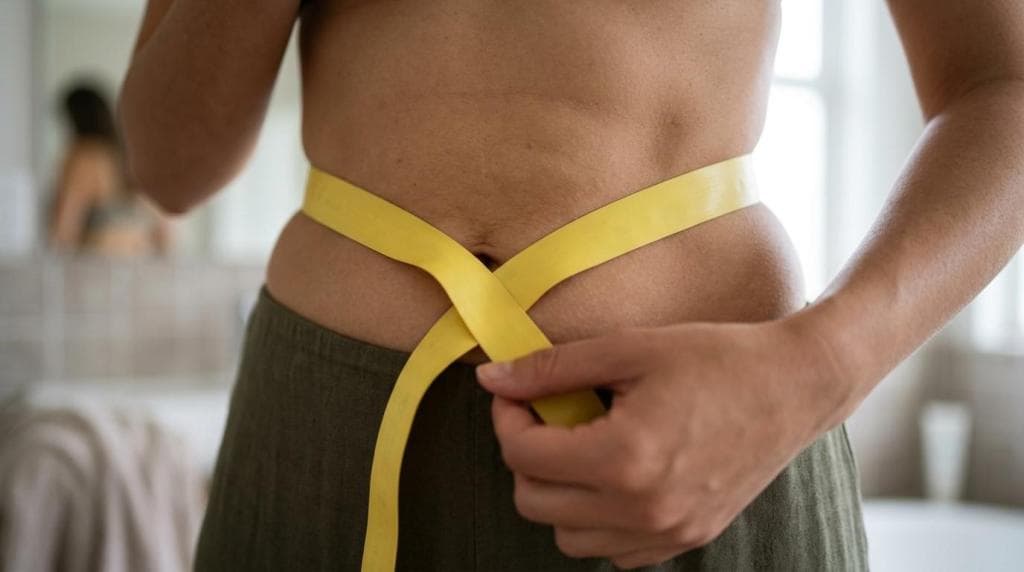
Many people use fat reduction and weight loss as if they mean the same thing. They do not. One changes the number on the scale. The other changes where fat sits on the body and how your contours look in clothing, in photos, and in the mirror.
That difference matters.
A person can lose weight and still feel disappointed with their shape. Another person may see very little scale movement yet notice a smaller waist, smoother flanks, or a more defined midsection. If the goal is a visible change in body shape, scale weight is only part of the story.
Weight loss changes body weight, but not always body shape
Weight loss usually refers to a drop in total body weight. That sounds simple, but the body is not giving up one thing alone. When people lose weight, they often lose a mix of body fat, water, and lean tissue. That means a lower number on the scale does not always equal the exact visual change someone expected.
This is one reason progress can feel confusing. Two people can each lose ten pounds and look very different afterward. One may keep more muscle and lose more fat, which often leads to a firmer, more sculpted appearance. The other may lose a higher share of water and lean mass, which can leave shape changes less dramatic than hoped.
Weight loss also tends to happen systemically. The body decides where fat comes off first and where it stays longest. That can be frustrating when someone wants a smaller lower abdomen, a leaner back, or less fullness around the thighs, yet sees change in the face or chest first.
A few practical truths help explain why the scale can mislead:
- Water shifts
- Lean tissue loss
- Fat loss in non-priority areas
- Day-to-day fluctuations
- Clothing fit changes before major scale changes
Fat reduction targets body contours in specific areas
Fat reduction is more shape-focused. The aim is not simply to weigh less. The aim is to reduce unwanted fat in a defined area so the body looks more balanced, narrower, or more sculpted.
That distinction is why someone close to their goal weight may still feel bothered by certain pockets of fat. Localized fullness in the abdomen, waist, back, arms, inner thighs, or under the chin can persist even when nutrition and exercise habits are solid. This is not unusual. Fat distribution is influenced by genetics, hormones, age, and sex, not just effort.
Shape change, then, is often about where volume is reduced.
A well-designed fat reduction plan focuses on contour. It asks different questions than a weight-loss plan. Instead of asking only, “How many pounds do I want to lose?” it asks, “Which areas make my frame look wider?” or “What would make my silhouette look more proportional?”
That is where body contouring enters the conversation. Procedures intended for fat reduction can address stubborn areas more directly than general weight loss alone, especially when the goal is refinement rather than major scale change.
Body composition and lean tissue explain visual results
Body composition refers to the relative amount of fat mass and lean tissue in the body. Lean tissue includes muscle, organs, bones, and other non-fat components. This matters because shape is influenced by both what you lose and what you keep.
A person who preserves muscle while reducing body fat often looks tighter and more athletic. A person who loses weight rapidly without supporting muscle retention may look smaller overall but not necessarily more defined. This is one reason body composition is a more useful lens than weight alone when the goal is appearance.
Public health guidance also supports a broader view than pounds alone. BMI can be helpful as a screening tool, but it does not directly measure body fat. It also does not show where fat is stored. Someone can have a “normal” BMI and still carry more abdominal fat than is ideal.
That last point is significant because shape and health overlap. A thicker waist is not only a style concern for many people. Abdominal fat, including visceral fat around the organs, may be linked with higher health risk than fat stored elsewhere.
Here are a few markers that often matter more than body weight by itself:
- Waist size: A direct way to track central fat and changes through the midsection
- Body fat distribution: Helps explain why two people at the same weight can look very different
- Lean mass preservation: Supports a firmer look during weight loss
- Clothing fit: Often reflects contour changes earlier than the scale
- Progress photos: Useful when numbers stay stubborn but shape improves
Waist size and abdominal fat matter beyond BMI
When people say they want to “lose weight,” they often mean they want a smaller waist.
That is an important distinction.
Official health sources note that waist size can help assess whether someone is at a healthy weight, because abdominal fat can raise health risk even when BMI falls in a normal range. In other words, where fat is carried matters. A flatter stomach or smaller waist can mean more than a cosmetic shift.
Visceral fat is often discussed in this context. It sits deeper in the abdomen around internal organs, unlike subcutaneous fat, which is the pinchable fat just under the skin. From a shape standpoint, both matter. From a health standpoint, visceral fat gets special attention because of its association with cardiometabolic risk.
For many adults, this explains a familiar pattern. They may be active, reasonably stable in weight, and still notice a persistent midsection that changes how jackets close, how waistbands sit, or how fitted clothing looks. In that setting, simple weight loss may help, but it may not produce the specific contour change they want in the time or degree they expect.
Comparing weight loss and fat reduction for shape changes
The clearest way to see the difference is to compare the goals and outcomes side by side.
| Focus | Weight Loss | Fat Reduction |
|---|---|---|
| Primary goal | Lower total body weight | Reduce fat in targeted areas |
| What changes | Fat, water, and often lean tissue | Localized fat volume |
| Main measure | Scale weight | Shape, contour, area-specific measurements |
| Best for | Broad health and total size changes | Refining silhouette and stubborn areas |
| Typical frustration | Losing pounds without loving the shape | Wanting more change than lifestyle alone delivers |
| Visual result | Can be general and uneven | Often more area-specific and noticeable |
This comparison helps reset expectations. The same distinction shows up in medical weight-loss discussions, where Your Peptide Guide’s comparison of GLP-1 peptides describes therapies aimed at overall appetite and body-weight change rather than spot-specific contouring. If someone wants to improve blood sugar, reduce overall body size, or meet a medically advised goal of losing 5% to 10% of body weight, a traditional weight-loss strategy is the right starting point. If someone is already fairly close to a stable weight and wants a narrower waistline or smoother contour in certain zones, fat reduction may be the more relevant tool.
Neither approach is “better” in every case. They simply answer different problems.
Why weight loss alone can leave stubborn areas behind
The body is efficient, adaptive, and sometimes maddeningly selective. During weight loss, metabolism can slow as body weight drops. The body may also resist giving up fat from certain genetically favored storage sites. This is why many people can stay consistent with food choices and exercise yet still see fullness remain in the same problem spots.
There is also the reality of proportion. A person may slim down overall but continue to feel square through the waist, heavy through the lower abdomen, or unbalanced between upper and lower body. In that case, more weight loss may not be the right answer. It may just make other areas smaller while the priority area changes less.
That is when the conversation often shifts from “How do I lose more?” to “How do I shape what I already have?”
When TuLi may fit a fat reduction plan
TuLi is designed for adults who want visible contour improvement without the demands of traditional surgery. It is a minimally invasive body contouring procedure developed by a double board-certified plastic surgeon and performed in an accredited surgical facility. The treatment is intended to deliver lasting fat reduction and sculpted contours in a fast, in-office setting.
What makes that relevant here is the kind of goal TuLi serves. It is not positioned as a substitute for healthy habits or as a treatment for general obesity. It is aimed at body shaping, especially for people who want to address areas that have been resistant to diet and exercise.
Several features stand out for shape-focused patients:
- Speed: A 15-minute full-body treatment approach
- Comfort: No general anesthesia
- Convenience: Immediate return to normal activity
- Coverage: Multiple areas may be treated in one visit
- Recovery: No special post-op care
- Outcome focus: Lasting, natural-looking contour changes
That profile can appeal to busy adults in the NY and NJ area who want a practical path to contour improvement without the downtime many people associate with surgical fat removal.
Who may benefit most from body contouring focused on fat reduction
The best candidates for body contouring are often not the people chasing the biggest possible drop on the scale. They are the people whose weight is relatively stable, whose general health habits are in place, and who still see specific areas that keep their shape from matching their effort.
A good fit may include someone who:
- Is close to a maintainable weight
- Wants more definition in one or several areas
- Cares more about silhouette than scale weight
- Prefers an in-office option with minimal interruption to daily life
This is also where expectations matter. Fat reduction can change contours in meaningful ways, but it is not the same as a full-body transformation created by major weight loss. The strongest outcomes tend to come when the goal is precise and realistic: a smoother waistline, less lower-abdomen fullness, better balance through the torso, or cleaner lines in fitted clothes.
What to ask when your goal is a smaller shape, not just a lower weight
If shape is the priority, the most useful consultation is a specific one. Broad questions about “losing pounds” are less helpful than clear questions about proportion, tissue distribution, and likely visual change.
Ask about the area that bothers you most. Ask how much of the concern relates to localized fat versus skin quality, muscle tone, or posture. Ask how results are measured. Waist size, circumference changes, progress photos, and clothing fit may tell you more than the scale ever will.
For people considering TuLi, that discussion can begin with a virtual consultation or an in-office consultation. That creates space to look at body goals in a more exact way, especially when the issue is not total body weight but the parts of the body that shape how you feel in your own frame.
The central idea is simple and freeing: if your goal is to change your shape, you do not have to judge progress by pounds alone. Body composition, waist size, fat distribution, and targeted contour change give a much clearer picture of what is actually happening.
Ready to take the next step?
Request a consultation with Dr. Moskovitz to discuss whether the TuLi procedure is right for you.
Request a Consultation