Uncategorized
Body Sculpting vs Fat Reduction Explained
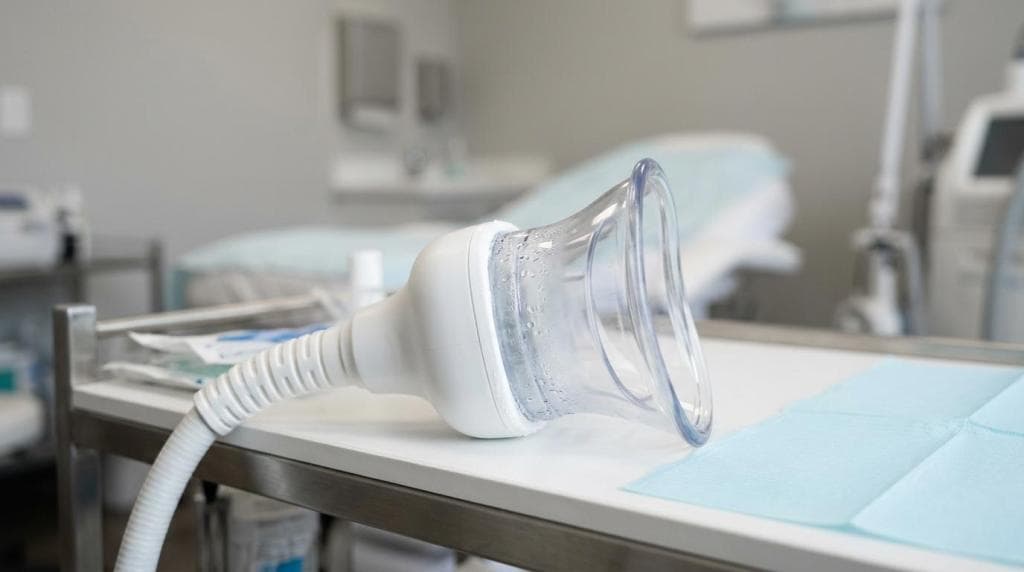
People often use body sculpting, body contouring, and fat reduction as if they mean the same thing. They do overlap, but they are not identical terms, and that difference matters when you are comparing treatments, setting expectations, or deciding whether you want a non-surgical option, a minimally invasive procedure, or a traditional surgical approach.
The short version is simple: fat reduction focuses on decreasing localized fat, while body sculpting is a broader category that can include fat reduction, fat removal, skin tightening, and shape refinement. Once that distinction is clear, the treatment landscape becomes much easier to read.
Body sculpting vs fat reduction: the core difference
Fat reduction is a targeted goal. It refers to reducing pockets of subcutaneous fat in areas like the abdomen, flanks, thighs, upper arms, or under the chin. A treatment can be designed primarily for fat reduction even if the visible result is a more sculpted outline.
Body sculpting is broader. Depending on the source and the treatment type, it can refer to reshaping the body with non-invasive devices, minimally invasive procedures, liposuction, or surgery that removes excess skin and underlying fat. That broader use is one reason the language gets confusing.
A helpful way to think about it is this: all fat reduction can contribute to body sculpting, but not all body sculpting is only about fat reduction.
| Term | Main goal | Removes tissue? | Typical approach |
|---|---|---|---|
| Fat reduction | Reduce localized fat deposits | Sometimes | Non-invasive devices, minimally invasive removal, or surgery |
| Non-invasive body contouring | Improve silhouette without surgery | No | Cooling, heat, light, or similar device-based treatments |
| Body sculpting/body contouring | Reshape the body more broadly | Sometimes | Can include non-invasive treatments, minimally invasive procedures, liposuction, or skin-removal surgery |
| Liposuction | Remove fat from specific areas | Yes | Surgical suction-based fat removal |
| TuLi | Remove fat and refine contours with a minimally invasive approach | Yes | Fast, in-office body contouring without general anesthesia |
FDA definitions and why the terminology gets mixed
The FDA uses a very specific definition for non-invasive body contouring. In that regulatory context, these are non-surgical procedures that do not remove tissue, including fat or skin, from the body. That means a device may improve contour or reduce fat in a treated area, while still being classified as non-invasive because nothing is physically removed during treatment.
Clinical sources often use the phrase body contouring more broadly. Cleveland Clinic, for example, describes body contouring as changing the shape of a body part by removing excess skin and underlying fat, while also grouping non-surgical options into the same general category. So the same term may mean one thing in regulation and another in everyday patient conversations.
That is why two statements can both be true:
- Non-invasive body contouring does not remove tissue
- Body contouring can include procedures that do remove tissue
- Fat reduction can be non-surgical
- Fat removal can be minimally invasive or surgical
Non-invasive fat reduction treatments and what they actually do
Non-invasive fat reduction treatments are popular because they avoid incisions and usually allow patients to leave the office right away. FDA-cleared technologies in this category include methods that use cooling, heat, or light to target localized fat.
Cryolipolysis, often called fat freezing, is one of the best-known examples. Cleveland Clinic describes it as a non-surgical fat-reduction procedure that uses cold temperatures to reduce fat deposits in certain body areas. Published reviews have reported measurable reductions in fat thickness after treatment, including roughly 20% to 25% reductions in some abdominal and flank studies and smaller millimeter-based changes on ultrasound or skinfold measurements.
Those numbers sound encouraging, and they often are, but they need context. Non-invasive treatments are usually best for modest contour changes in specific areas, not for large-volume fat removal or dramatic reshaping in a single session.
When people are happiest with non-invasive treatment, their expectations tend to match the technology:
- Best for: Mild to moderate, stubborn fat pockets
- Best pace: Gradual improvement over weeks or months
- Best expectation: Subtle to moderate contour change
- Best mindset: Shape refinement, not weight-loss treatment
Liposuction and surgical fat removal: a different category
Liposuction sits in a different part of the spectrum because it removes fat from the body. Mayo Clinic describes liposuction as a procedure that uses suction to remove fat from specific areas, including the abdomen, hips, thighs, buttocks, arms, or neck. It is often used for areas that have not responded well to diet and exercise.
This matters because removing fat physically changes the conversation around results. The improvement can be more immediate and more substantial than many non-invasive options, especially when a patient wants a stronger reduction in one or several areas. Mayo Clinic also notes that results can last a long time if body weight remains stable.
Traditional liposuction, though, is still surgery. That usually means more planning, a different recovery profile, and a different level of intervention than device-based body contouring. For some people, that tradeoff is well worth it. For others, it feels like more than they want.
Minimally invasive body contouring fills the middle ground
Between non-invasive devices and full surgical liposuction, there is a middle category that gets a lot of attention from patients who want real fat removal without the intensity of a traditional surgical experience.
This is where minimally invasive body contouring stands out.
A minimally invasive procedure can remove tissue while avoiding some of the features that make conventional surgery less appealing to busy adults. That distinction is easy to miss if every option is casually labeled “body sculpting.”
Where TuLi fits in the fat reduction spectrum
TuLi is a minimally invasive body contouring procedure designed for dramatic, lasting fat reduction and sculpted contours in a fast, in-office treatment. It is not the same as a non-invasive body contouring device because it is intended to remove fat rather than only influence it from outside the body.
That difference is a major reason patients compare TuLi not just with body sculpting devices, but also with liposuction alternatives. TuLi is positioned for adults who want meaningful contour change, while avoiding general anesthesia and lengthy downtime. According to the procedure profile, treatment is performed in about 15 minutes, can address multiple areas in one visit, requires no special post-op care, and allows immediate return to normal activity.
For the right candidate, that is a compelling combination:
- Actual fat removal
- In-office treatment
- No general anesthesia
- No downtime
- Multiple areas in one visit
TuLi is also described as targeting up to 3 to 4 times more tissue per session, with lasting, natural-looking results, and it was developed by a double board-certified surgeon with decades of experience in an accredited surgical facility. That places it in a distinct category for patients who want more than a subtle device-based change, but less disruption than a traditional operating-room procedure.
Body sculpting results are not the same as weight loss
This is one of the most common sources of disappointment. Fat reduction and body sculpting are about contour, not broad medical weight management.
The FDA treats weight-loss devices as a separate category, and that separation is useful for patients too. That distinction mirrors the way broader weight-management discussions are handled elsewhere in healthcare, including Forlovetime’s overview of weight-loss pills and Xenical options, where the focus is metabolic change rather than localized contouring.
A treatment can improve the waistline, flatten a small lower-abdominal bulge, or refine the flanks without causing a major change on the scale.
A person may look leaner, more balanced, and better defined even when total body weight changes very little.
That is not a flaw. It is the point.
How to choose the right fat reduction approach
The best option depends on your goal, your tolerance for downtime, and how much change you want to see in one area or across the body. If a patient wants small, gradual contour improvement and does not want any procedure that removes tissue, non-invasive treatment may be a sensible fit. If the goal is a more pronounced reduction, the conversation usually shifts toward minimally invasive or surgical options.
A consultation should also address whether the concern is really fat, loose skin, muscle laxity, or a mix of all three. Many people assume they need fat reduction when the real issue is skin quality or the way several areas relate to one another.
A few questions can quickly sharpen the decision:
- What bothers you most: volume, shape, skin looseness, or all three?
- How much change do you want: subtle refinement or a more visible reduction?
- How fast do you want to resume normal life: same day, a few days, or longer?
- Do you want non-invasive treatment only: or are you open to minimally invasive fat removal?
Common myths about body sculpting and fat reduction
A common myth is that every body sculpting treatment melts fat in the same way. That is not true. Some treatments cool fat, some heat it, some use light-based energy, and some physically remove fat. Those are very different mechanisms, with different effects and different limits.
Another myth is that more treatment always means better body shape. Precision matters more than volume alone. Skilled contouring depends on where fat is reduced, how transitions are managed, and whether multiple areas are treated in balance.
There is also a persistent belief that surgery is the only way to get a meaningful result. That is no longer the full picture. Minimally invasive procedures have expanded the range between “no tissue removal” and “full surgery,” which gives many patients more flexibility than they had a decade ago.
What a fat reduction consultation should clarify
A strong consultation should leave you with a clear picture of three things: what kind of treatment category you are considering, what degree of change is realistic, and what recovery will look like in daily life.
For someone considering TuLi, that means clarifying whether the appeal is speed, minimal disruption, treating multiple areas at once, avoiding general anesthesia, or getting more decisive fat removal than a non-invasive device can usually offer. Virtual consultations and in-office consultations can both help frame that decision, especially when the goal is not “weight loss” in general, but a more defined shape in very specific areas.
When the language becomes precise, the decision usually gets easier. Fat reduction answers one question. Body sculpting answers a bigger one. And for many patients, the most useful step is finding the treatment category that matches both the body they want to refine and the life they want to keep moving.
Ready to take the next step?
Request a consultation with Dr. Moskovitz to discuss whether the TuLi procedure is right for you.
Request a Consultation