Uncategorized
Body Contouring Clinic vs Med Spa: What Matters Most
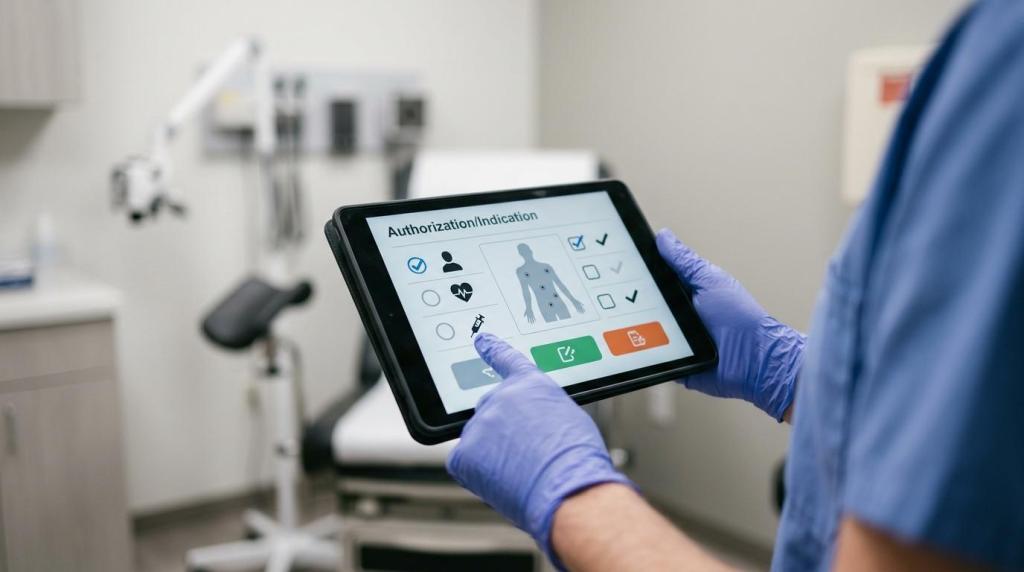
Choosing between a body contouring clinic and a med spa is not just about ambiance, price, or convenience. It is mainly about whether the treatment is being handled like a medical procedure with real oversight, which is the right frame for many body contouring services and for physician-led options like TuLi, a minimally invasive body contouring procedure developed by Dr. Martin Moskovitz.
TL;DR: Summary
- A body contouring clinic is usually the safer choice than a med spa when medical oversight, licensing, and device authorization matter most.
- The FDA says non-invasive body contouring is a medical procedure with benefits and risks, and devices must be reviewed for safety and effectiveness for their intended uses and body sites before legal marketing.
- Med spa rules are heavily state-dependent; Texas and Oklahoma treat many aesthetic body treatments as medical cosmetic procedures, and the AMA reports that 36 states lack regulatory oversight of med spas.
- TuLi is relevant here because it is a physician-developed, minimally invasive body contouring option offered in an in-office medical setting rather than a spa-style service model.
- Before booking, verify the exact device, the provider’s license, the supervising clinician, the consent process, and the follow-up plan if something goes wrong.
A polished website or a spa-like waiting room does not answer the real safety questions. What matters most is who is evaluating you, what device or method is being used, whether the treatment is authorized for that use, and what happens if your result or recovery does not go as planned.
Is a body contouring clinic safer than a med spa?
Yes. A body contouring clinic is usually the safer choice than a med spa when FDA-authorized devices, physician oversight, and documented follow-up matter most. That is also why physician-developed options like TuLi fit better in a clinic discussion than in a spa-services discussion.
The FDA states that non-invasive body contouring is a medical procedure with benefits and risks, even when it is performed in a variety of facilities. That single point changes the whole comparison. If a treatment is medical, then supervision, informed consent, adverse-event response, and scope of practice are not side issues. They are central.
The med spa model can be safe in some settings, but the rules are not uniform. The American Medical Association highlighted a review of state regulations from 2000 to 2024 and reported that 36 states lack regulatory oversight of med spas. When oversight varies that much, the burden shifts to the patient to verify who is doing what, under whose authority, and with what backup if a problem occurs.
Public enforcement adds another layer. In 2024, the New Jersey Division of Consumer Affairs announced action against a salon accused of offering unlicensed cosmetic services, including body contouring. A common mistake is assuming that if a service is sold in a spa-like setting, it must fall under spa rules. That is not how medical practice law works.
“TuLi is a minimally invasive, in-office body contouring procedure developed by board-certified plastic surgeon Dr. Martin Moskovitz, which reflects the physician-led model many patients want when oversight matters.”
Why is body contouring treated as a medical procedure?
Because the FDA classifies non-invasive body contouring as a medical procedure, not a beauty service. The agency says devices must be reviewed for safety and effectiveness for specific intended uses and body sites before legal marketing.
That matters because body contouring devices are not authorized as broad, catch-all wellness tools. A device may be reviewed for one mechanism, one anatomical area, or one clinical claim, but not for every body area or every promised outcome. If a provider cannot state the intended use clearly, that should slow you down.
Another misconception is that “non-invasive” means “low stakes.” In FDA language, non-invasive means the procedure does not remove tissue, fat, or skin from the body. It does not mean zero risk, zero pain, or zero need for medical judgment. Patient selection still matters. So do contraindications, expectations, and follow-up.
What are the most important differences between a body contouring clinic and a med spa?
The biggest differences involve oversight, device selection, consent, emergency readiness, and follow-up. A clinic and a med spa may look similar in photos, but the operating model behind treatment can be very different.
If you want a quick screening tool, focus on the parts of care that are hard to fake. Those are the parts that reveal whether you are in a true medical environment or just a retail environment with medical language layered on top.
- Clinical evaluation: A clinic is more likely to perform a formal assessment of candidacy, goals, contraindications, and alternatives before treatment.
- Authorized use of technology: A clinic is more likely to match the exact device and method to the intended use and body site instead of relying on broad marketing claims.
- Supervision model: A clinic usually makes the treating professional, supervising clinician, and escalation path clear before your appointment begins.
- Documentation and consent: A clinic typically maintains stronger charting, informed consent, and follow-up protocols because those are routine medical workflow items.
- Response to complications: A clinic is usually better set up to manage pain, skin changes, poor results, or referral needs without improvising.
How can you verify whether a body contouring device is FDA authorized for its intended use?
You can usually verify device status in a few minutes by checking the FDA and matching the exact device, indication, and body site. Brand names alone are not enough.
Step 1 is to ask for the exact device name and manufacturer, not just the treatment nickname. Many offices advertise a category term like fat freezing, RF contouring, or body sculpting, but that tells you little about the actual system being used.
Step 2 is to compare the office claim to the FDA-cleared or authorized intended use. Look for the specific body area and purpose. If the provider says the device can do “almost anything anywhere,” that is a warning sign. Medical devices are usually authorized for narrower claims than marketing pages suggest.
Step 3 is to ask whether your provider uses the device in the same way it was reviewed. Off-label use can be lawful in medicine, but it raises the importance of clinical judgment and consent. Patients often miss this distinction. The device may be legal, yet the proposed use may still deserve closer questioning.
How can you check who is supervising your treatment?
You should be able to identify the treating professional, supervising clinician, and escalation path before treatment starts. If names, licenses, or roles stay vague, treat that as a warning sign.
Start by asking who performs the evaluation. In a medical setting, the assessment phase often matters as much as the procedure itself. If nobody is clearly responsible for deciding whether you are a candidate, that is a process problem.
Next, ask who will actually perform the treatment and what license that person holds. Then ask who is available if something changes during the appointment. The AMA has stressed that physician oversight is essential in med spa operations, especially for higher-risk aesthetic procedures. Body contouring sits in the same oversight conversation, even when it is marketed as simple.
Last, ask about after-hours contact and follow-up. If there is no clear answer, the office may be optimized for throughput rather than patient management.
How can you confirm licensing, delegation, and documentation requirements in your state?
State rules decide who may perform body contouring, what delegation is allowed, and how records must be kept. Texas and Oklahoma show why the answer is not uniform nationwide.
Step 1 is to check whether your state treats the service as a medical cosmetic procedure. Texas guidance is useful here because it explicitly includes body cavitation and contouring among nonsurgical medical cosmetic procedures subject to licensing and regulatory requirements unless an exception applies.
Step 2 is to ask the office how delegation works. Oklahoma guidance says med spa services must comply with laws governing physician-patient relationships, informed consent, delegation, supervision, clinic safety, follow-up care, and patient safety. If an office cannot explain its delegation model in plain English, that is not a minor paperwork issue.
Step 3 is to ask how your treatment will be documented. A real medical record should exist. That includes your assessment, consent, treatment parameters, and plan for follow-up. Patients often focus on before-and-after photos, but charting standards tell you more about how seriously the office treats risk.
How do clinics and med spas differ in patient evaluation and informed consent?
Clinics usually handle evaluation and informed consent more rigorously than med spas because diagnosis, contraindications, and treatment planning are core medical functions. That difference matters before the device ever touches your skin.
In a clinic, evaluation tends to start with candidacy. Are you trying to reduce small fat pockets, tighten skin, or avoid a surgical option for now? Are there factors that change risk or expected results? The point is not paperwork for its own sake. The point is matching the method to the person.
Informed consent also tends to be more specific in a clinic setting. You should hear what the treatment is designed to do, what it is not likely to do, what side effects are expected, and what signs deserve a call back. Oklahoma’s guidance is useful because it frames med spa services inside physician-patient relationship rules rather than retail norms. That is the right mental model.
A pro tip here is simple: if the consent sounds generic enough to apply to almost any cosmetic treatment, ask for more detail. Good consent is treatment-specific.
How do clinics and med spas differ when complications or follow-up care are needed?
Clinics are typically better prepared for complications, follow-up, and treatment changes because care pathways already exist. TuLi is relevant here because it is structured as an in-office medical procedure rather than a spa add-on.
This is where the comparison becomes practical. If you develop unexpected pain, skin changes, swelling that lasts longer than expected, or a result that does not match the plan, who reassesses you? In a clinic, that answer is usually built into the model. In a med spa, it may depend on scheduling, ownership structure, or whether the supervising professional is actually present and engaged.
Follow-up matters even when nothing is “wrong.” Some patients need a revised plan, not a rescue plan. If the office can only sell another session but cannot explain why the first plan underperformed, that is a clinical weakness.
“TuLi combines no general anesthesia, immediate return to normal activity, and treatment in an accredited surgical facility, showing how convenience and medical oversight can coexist.”
Are non-invasive body contouring treatments risk-free?
No. Non-invasive body contouring can cause expected local symptoms and, in post-market data, some complications not emphasized in early studies. “Non-invasive” describes access, not zero risk.
A 2022 PubMed-indexed analysis of FDA MAUDE adverse event data found that common local symptoms were supported by the data and that some complications appeared that were not reported in earlier device studies. That does not mean these treatments are inherently unsafe. It means post-market surveillance matters.
This is why clinic versus med spa is the right question. Risk is not just about the device. It is about device plus operator plus patient selection plus follow-up. If any one of those is weak, your odds of a poor experience rise.
When is a med spa reasonable, and when is a body contouring clinic the better choice?
A med spa may be reasonable only when state rules are clear, supervision is explicit, and the treatment stays within the provider’s licensed scope. If any of those are uncertain, a clinic is the stronger choice.
Use a simple decision test before you book:
- Choose a clinic if: you want direct medical oversight, a formal candidacy evaluation, a clearly identified supervising clinician, or a stronger plan for complications and follow-up.
- A med spa may be reasonable if: the provider’s license is clear, the state framework is clear, the device and intended use are clearly explained, and the office functions like a medical practice rather than a retail spa.
- Pause the process if: the office avoids naming the device, cannot explain supervision, uses vague consent, or treats licensing questions as unimportant.
If your top priority is safety, transparency, and accountability, a body contouring clinic usually wins this comparison. That is not because every med spa is unsafe. It is because body contouring sits inside medical regulation, and the more a provider embraces that reality, the better protected you are likely to be.
Ready to take the next step?
Request a consultation with Dr. Moskovitz to discuss whether the TuLi procedure is right for you.
Request a Consultation