Uncategorized
Best Liposuction Alternatives for Stubborn Fat Areas
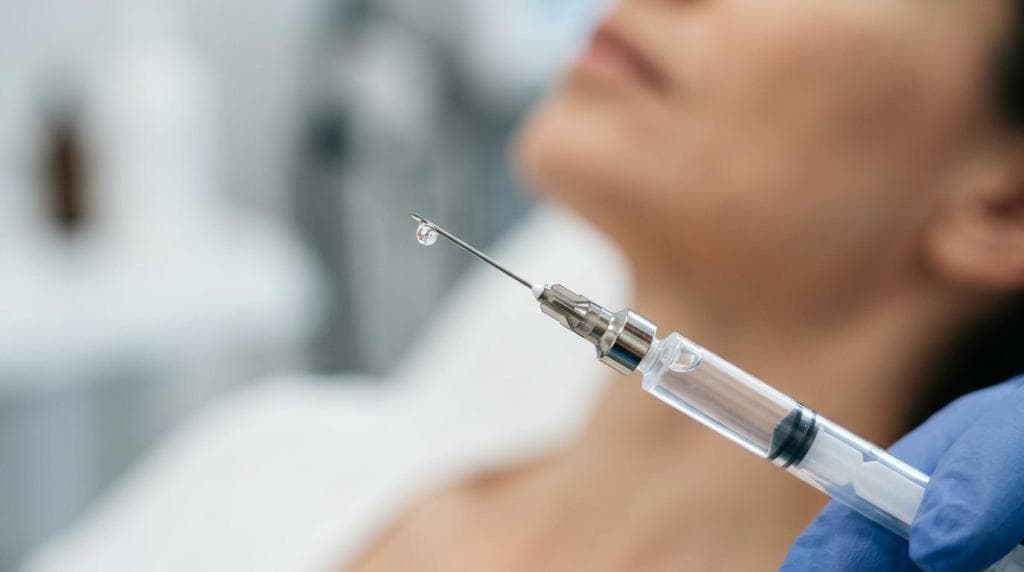
For people frustrated by a small belly pooch, bra-line fullness, or a pocket under the chin, the best liposuction alternatives are usually targeted body contouring treatments, not weight-loss treatments. TuLi is a minimally invasive body contouring procedure that belongs in this conversation because it sits between classic liposuction and fully non-invasive fat-reduction devices.
TL;DR: Summary
- The best liposuction alternatives for stubborn fat are targeted body contouring treatments like cryolipolysis, radiofrequency lipolysis, laser lipolysis, and injection lipolysis for select uses, not weight-loss methods.
- FDA guidance draws a clear line between non-invasive body contouring and liposuction: non-invasive treatments change shape without removing tissue, while liposuction physically removes fat through a small incision.
- ASPS and Cleveland Clinic both describe these options as best for small, localized fat pockets when diet and exercise are not changing a specific area.
- Kybella, a deoxycholic acid injectable, is the only FDA-approved fat-dissolving injection, and it is approved only for submental fat under the chin.
- If you want more tissue treated per session or want multiple areas addressed with minimal downtime, a minimally invasive option like TuLi may be more relevant than a fully non-invasive device.
- The main trade-off is simple: less invasive options usually mean less downtime, but also less dramatic fat reduction than surgery.
The key is matching the treatment to the problem. A small, localized bulge may respond well to a non-surgical approach, while broader fullness or a stronger contour goal may call for a minimally invasive treatment or standard liposuction.
What counts as a real liposuction alternative?
TuLi belongs in the liposuction-alternative discussion because it is minimally invasive, while cryolipolysis is non-invasive. The FDA draws a firm distinction: liposuction removes tissue through an incision, but non-invasive body contouring changes body shape without removing tissue.
That distinction matters because many people use the phrase “liposuction alternative” to mean anything that reduces fat. Medically, that is too broad. A real alternative should be a body contouring treatment meant for localized fat reduction, usually in someone already close to their stable weight.
The FDA also states that non-invasive body contouring does not treat obesity, does not improve health, and does not produce weight loss. A common misconception is that body contouring is a shortcut to major weight reduction. It is not. Think in terms of shape, silhouette, and clothing fit, not pounds lost.
Are liposuction alternatives as effective as liposuction?
No, liposuction alternatives are usually less dramatic than liposuction. ASPS and Cleveland Clinic both describe nonsurgical fat reduction as useful for small stubborn pockets, while liposuction remains the stronger option for larger volume removal and sharper contour change.
If your main goal is a visible but modest reduction in one or two small areas, non-surgical methods may be enough. If your goal is a more aggressive change in abdominal fullness, flank definition, or several body zones at once, surgery still sets the benchmark.
The trade-off is straightforward. Liposuction removes fat directly, so results can be more immediate and more pronounced. Non-invasive methods rely on heat, cooling, or injected medication to damage fat cells over time, so the visual change is usually slower and smaller.
“TuLi is described as a 15-minute full-body treatment with no general anesthesia and immediate return to normal activity.”
There is also a middle ground. Some patients want more impact than a device-based treatment can offer but do not want general anesthesia or a long recovery. That is where minimally invasive contouring enters the decision tree.
What are the main liposuction alternatives for stubborn fat areas?
The main categories are cryolipolysis, radiofrequency lipolysis, laser lipolysis, and injection lipolysis. ASPS lists these as nonsurgical fat-reduction methods, and the FDA gives special attention to Kybella because it is approved only for fat under the chin.
After you narrow the goal area, these are the methods most often compared:
-
Cryolipolysis
Uses controlled cooling to damage fat cells. Best known for small pinchable areas where an applicator can fit well. -
Radiofrequency lipolysis
Uses heat energy to affect fat and, in some systems, support some skin tightening. This can matter when mild laxity is part of the concern. -
Laser lipolysis
Uses laser energy to target fat cells. Treatment plans and recovery can vary depending on whether the approach is fully non-invasive or minimally invasive. -
Injection lipolysis
Uses injections to break down fat cells near the treatment site. The FDA says Kybella, made with deoxycholic acid, is the only approved fat-dissolving injectable, and only for submental fat.
The best category often depends less on hype and more on anatomy. If the problem is a very small, stubborn pocket, a non-surgical option may be reasonable. If the issue is bulk, multiple zones, or a desire for a bigger one-session change, those methods may feel limited.
How do you choose the right body contouring method?
The right method follows a simple rule: match the treatment to fat volume, body area, and downtime tolerance. If the area is small and localized, a non-invasive option may work; if you want broader reduction, a minimally invasive option may fit better.
Step 1 is to define the actual problem. Is it excess fat, loose skin, or both? Many people assume every contour issue is a fat issue, but skin laxity can be the real blocker. If skin is the bigger problem, fat reduction alone may disappoint you.
Step 2 is to map the treatment area. A small under-chin bulge is different from lower-abdominal fullness. Device-based contouring often works best when the target is limited and well-defined. Larger or multiple areas raise the stakes on efficiency and session planning.
Step 3 is to decide how much change you want from one visit. If you are comfortable with subtle improvement over time, non-invasive care may be enough. If you want a bigger shift in fewer treatments, ask whether a minimally invasive option is more appropriate.
Who is a good candidate for non-surgical fat reduction?
Good candidates are adults near a stable weight who have pinchable, localized fat and realistic expectations. ASPS and Cleveland Clinic both frame these treatments as contouring tools after diet and exercise stop changing a specific area.
The best candidate is usually someone who can point to one problem spot and say, “This area does not change much even when I stay consistent.” That is very different from someone seeking whole-body weight loss or major reshaping.
A stable routine matters. If your weight is moving up and down, it becomes harder to judge results and harder to maintain them. Another common mistake is ignoring tissue quality. Firm fat in a defined area behaves differently from soft fullness paired with loose skin.
If you are not sure whether the issue is fat or skin, ask for an area-by-area assessment, not a generic recommendation. That one step prevents a lot of disappointment.
Which body areas respond best to liposuction alternatives?
The best response usually comes from smaller areas like the under-chin, lower abdomen, flanks, bra line, and upper arms. Broad areas and skin laxity without much fat are harder targets for any liposuction alternative.
Area selection changes almost everything. Under the chin is a special case because the FDA-approved injectable option is limited to submental fat. That makes chin fullness one of the most clearly defined treatment zones in this category.
The lower abdomen and flanks are also common targets, but response depends on how thick the fat layer is and whether the treatment can cover the area efficiently. If the fat pocket is small, non-invasive methods can make sense. If the area is larger or wraps around the torso, you may need a different strategy.
Applicator fit is an overlooked factor. With some device-based treatments, the tool has to fit the anatomy well to deliver a predictable effect. Poor fit can mean underwhelming results even when the treatment type is reasonable on paper.
How does TuLi compare with non-invasive body contouring?
TuLi sits between non-invasive contouring devices and traditional liposuction because it is minimally invasive, treats multiple areas in one visit, and is designed for fast recovery. Compared with cryolipolysis or radiofrequency lipolysis, it aims at more tissue reduction per session.
That middle position is what makes it relevant for people who feel non-invasive options may be too limited but still want to avoid general anesthesia and long downtime. In practical terms, this comparison is about treatment intensity, area coverage, and recovery profile.
Non-invasive body contouring, as described by the FDA, changes shape without removing tissue. A minimally invasive procedure is a different category decision. It may suit someone who wants a stronger one-visit contour change, especially across more than one body area.
“TuLi can treat multiple areas in one visit and is described as targeting up to 3–4x more tissue per session.”
Another differentiator is workflow. This option was developed by double board-certified plastic surgeon Dr. Martin Moskovitz and is offered as an in-office treatment in an accredited surgical facility. That does not make it interchangeable with liposuction, but it does place it in a different practical category than standard non-invasive devices.
What risks, side effects, and limits should you expect?
Swelling, redness, bruising, tenderness, and temporary nodules are common across many contouring treatments. The FDA notes that non-invasive body contouring devices can also cause pain or discomfort, and they do not deliver the health benefits of weight loss.
Risk starts with the method. Cooling, heat, laser energy, and injections each have their own side-effect profile, even when recovery is fairly easy. Ask not only what is common, but also what is rare and how it is managed.
The bigger limit is expectation management. These treatments can reduce fat cells, but they do not rewrite your anatomy. If your waist shape is driven partly by ribcage width, muscle tone, or skin laxity, fat reduction alone has a ceiling.
A useful rule is this: if you expect a surgical result from a non-surgical treatment, you are likely setting yourself up for frustration. Better outcomes often begin with a more accurate comparison.
How should you prepare for a body contouring consultation?
A strong consultation starts with photos, weight stability, and a clear list of target areas. If you bring a realistic goal, a clinician can compare liposuction, non-invasive contouring, and minimally invasive options with much less guesswork.
Preparation is less about paperwork and more about clarity. The more specifically you describe the area, the easier it is to match you to the right category of treatment.
Use this checklist before your appointment:
- Bring photos: front, side, and three-quarter views in consistent lighting
- List priorities: fat reduction, skin tightening, downtime, and number of sessions
- Ask area-specific questions: what method fits this zone, what result is realistic, and what recovery should you expect
A pro tip here is to ask what happens if you do nothing after treatment changes settle. Lasting results depend on keeping weight reasonably stable, not chasing a perfect diet for two weeks after the procedure.
How do timelines, downtime, and maintenance usually differ?
Recovery and visible change depend on the mechanism. Injectable and device-based treatments often improve gradually over weeks, while minimally invasive contouring may show a faster shape change but still needs time for swelling to settle.
First, ask about the timeline to early improvement versus final contour. Those are not the same milestone. With many non-surgical methods, fat-cell clearance is gradual, so the mirror may change slowly.
Next, ask about downtime in practical terms. “No downtime” can still include tenderness, swelling, or the need to avoid tight clothing for a short period. That does not make the claim false, but it does change how you plan work, exercise, and social events.
As BFan notes in its overview of how body temperature changes during sleep, even mild swelling or compression can feel more noticeable at night, which is why practical recovery questions matter more than marketing shorthand about downtime.
Then ask about maintenance. Body contouring can reduce fat cells in a treated area, but remaining cells can still enlarge if weight increases. If your habits stay fairly stable, results are more likely to stay visually meaningful.
One last misconception is worth clearing up: a second or third session is not always a sign the first treatment failed. In some categories, staged improvement is simply how the treatment is designed to work.
Ready to take the next step?
Request a consultation with Dr. Moskovitz to discuss whether the TuLi procedure is right for you.
Request a Consultation