Uncategorized
Best Areas for Body Sculpting Treatment
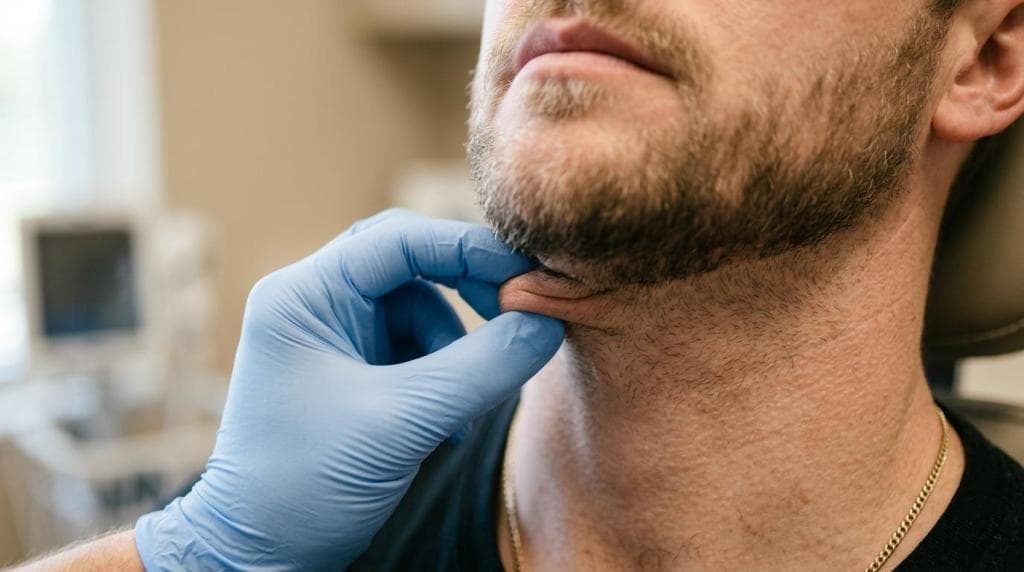
Body sculpting treatment works best when the problem is localized fat, not overall weight. The strongest target areas are usually the abdomen, flanks, thighs, under-chin region, upper arms, back, and knees because these zones often hold stubborn fat even when diet and exercise are consistent.
TL;DR: Summary
- The best areas for body sculpting treatment are localized pockets of stubborn fat or contour irregularity, especially the abdomen, flanks, thighs, submental area under the chin, upper arms, back, and knees.
- Non-invasive body contouring is best for modest fat reduction without tissue removal, while liposuction or minimally invasive contouring is better when you want a broader or more dramatic shape change.
- FDA-authorized body contouring devices are limited to specific intended uses and body sites, and KYBELLA is indicated only for submental fat under the chin.
- If loose skin is the main issue after major weight loss, surgical body contouring is often a better fit than fat-reduction treatment alone.
- The best candidates are adults near a stable weight who want contour improvement in one or more defined areas, not general weight-loss treatment.
Picking the right area matters as much as picking the right technology. If the tissue is pinchable subcutaneous fat, body sculpting can work very well; if the issue is loose skin, abdominal wall separation, or a large amount of visceral fat, the better answer may be a different procedure entirely.
Which body areas respond best to body sculpting treatment?
Yes, the abdomen, flanks, thighs, and submental area under the chin are usually the best body sculpting treatment areas. FDA guidance and American Academy of Dermatology examples consistently point to these sites because they commonly hold localized, treatment-accessible fat.
The common thread is simple: the area should have a defined fat pocket that can be reshaped without turning the procedure into weight-loss treatment. Belly fullness from subcutaneous fat often responds better than a generally enlarged abdomen caused by visceral fat, bloating, or muscle separation. That distinction saves people from choosing the wrong treatment for the right frustration.
A good rule is this: if you can isolate the concern with your hands or see a specific bulge in fitted clothing, it is more likely to be a contouring target. If the issue changes little with posture and feels firm from inside the abdominal cavity, it is less likely to respond the way patients expect.
“TuLi is designed as a 15-minute full-body body contouring treatment with no general anesthesia and immediate return to normal activity.”
One common misconception is that body sculpting should slim the entire body. It usually does not. The supported takeaway from leading medical sources is much narrower and more useful: body sculpting is best for localized areas of stubborn fat or loose contour.
How does non-invasive body contouring compare with liposuction for different treatment areas?
Non-invasive body contouring and liposuction are not interchangeable. The FDA distinguishes non-invasive contouring from surgical procedures because non-invasive methods do not remove tissue, while liposuction physically removes fat through cannulas.
That difference changes both area selection and expected results. Non-invasive devices are legally authorized for specific body sites and intended uses. Liposuction, by contrast, can reshape a much broader set of areas, with the AAD listing the jawline, neck, upper arms, back, waist, buttocks, knees, inner thighs, and ankles among common targets.
After that, the decision becomes about trade-offs:
- Non-invasive contouring: no tissue removal, little to no downtime, and usually subtler change
- Liposuction: broader reshaping range, more direct fat removal, and a more involved recovery
- Minimally invasive body sculpting: office-based middle ground for patients who want more change than a device alone but less disruption than traditional surgery
There is also a safety filter. The FDA warns that non-invasive body contouring should not be performed in or near pre-existing hernias, surgical scars, or abdominal wall separation. Pro tip: if you have had prior abdominal surgery or a C-section, mention it early, because the scar pattern can affect what is safe and what is realistic.
What body sculpting treatments are most often matched to the best target areas?
The best treatment depends on both the area and the kind of tissue being treated. TuLi, cryolipolysis, radiofrequency systems, KYBELLA, and tumescent liposuction each fit different contouring goals.
Before choosing a method, match the treatment to the anatomy. A small under-chin pocket is not the same problem as lower-belly fullness, and loose post-weight-loss skin is not the same problem as flank fat.
- TuLi: A minimally invasive, office-based body sculpting option for adults who want noticeable fat reduction across one or more areas without general anesthesia.
- Cryolipolysis: Often used for belly, flanks, thighs, back, and upper arms when the goal is non-surgical fat reduction.
- Radiofrequency contouring: Often chosen when mild fat reduction and some skin contraction are both part of the plan.
- KYBELLA: A fat-dissolving injectable indicated for submental fat under the chin, not for general body areas.
- Tumescent liposuction: A broader reshaping method when a patient wants more direct fat removal across areas from the neck to the ankles.
Is the abdomen and flank area usually the top choice for body sculpting?
Yes, the abdomen and flanks are the most common first-choice treatment zones. These areas are visible in clothing, tend to store stubborn subcutaneous fat, and often show a clear before-and-after contour change.
They are also practical treatment sites because the fat pads are usually easy to define. That matters when the goal is sculpting rather than general slimming. A flatter front and cleaner waist transition often make the biggest visual difference per area treated.
“TuLi can target up to 3–4x more tissue per session and can address multiple areas in one visit.”
Still, not every abdomen is a fat-treatment abdomen. If the fullness comes from visceral fat behind the abdominal wall, body sculpting will not flatten it the way patients hope. If there is a hernia, a surgical scar issue, or diastasis recti, the planning changes fast. That is why a good exam matters more than a catchy treatment name.
Are chin and neck treatments different from body sculpting for the torso?
Yes, chin and neck contouring follow different rules than abdominal or thigh body sculpting. KYBELLA is limited to submental fat under the chin, and the anatomy of the neck makes treatment selection more restrictive.
This is one of the clearest examples of FDA use limits shaping real-world choices. The FDA label for KYBELLA states that it is used to improve moderate to severe fat below the chin and is not known to be safe or effective for fat outside the submental area. So if someone asks for the same injectable in the bra roll or lower belly, that is not an approved extension of the indication.
Another misconception is that every “double chin” is just fat. Sometimes the issue is low hyoid anatomy, skin laxity, platysmal banding, or a small chin projection. If the problem is structural, fat reduction alone can help only part of the picture.
How do thighs, knees, and upper arms respond to body contouring?
Thighs, knees, and upper arms can respond well when the fat is localized and the skin still has decent recoil. The AAD includes thighs, upper arms, and knees among common non-invasive contouring sites.
Inner thighs often bother patients because the issue affects both shape and comfort. Knees are smaller but can make the legs look less defined. Upper arms are common too, though they are one of the easiest areas to overestimate. If upper-arm fullness is mostly skin laxity, treatment may smooth the contour without fully correcting the “batwing” look.
A useful test is to separate fat from skin with your hand. If the tissue feels soft and compressible and the skin snaps back reasonably well, the area is usually a stronger candidate. If the skin hangs with little recoil, expectations need to shift.
How do you choose the best body sculpting area for your anatomy and goals?
Start with the most visible, most defined problem area. A clear priority, like lower belly fullness or outer-thigh bulging, usually leads to a better treatment plan than a vague goal of “getting slimmer.”
Step 1 is to identify what actually bothers you in daily life. Is it how jeans fit at the waist, how a dress pulls at the flanks, or how profile photos show the chin? Specific complaints map to specific areas.
Step 2 is to name the tissue problem. Fat, loose skin, muscle laxity, and post-weight-loss redundancy do not respond the same way. If the concern is pinchable fat, body sculpting may fit. If the concern is hanging skin, a surgical contouring discussion is often more productive.
Step 3 is to rank your areas by impact, not by quantity. Treating one area that changes your silhouette can matter more than treating three minor areas. That is a quiet pro tip many patients learn only after their consultation.
How should you prepare for a body sculpting consultation?
Bring body-history details, not just cosmetic goals. The most useful consultation includes weight stability, prior procedures, scars, pregnancies, and any hernia history.
Step 1 is to document the concern. Front, side, and three-quarter photos taken in fitted clothing often show patterns that are easy to miss in the mirror. Step 2 is to list surgeries and medical issues, especially abdominal surgery, scar locations, and any known abdominal wall separation, because the FDA specifically flags those issues for non-invasive body contouring safety.
Step 3 is to define your acceptable recovery and your desired result intensity. Some patients want zero downtime and a modest contour change. Others want a bigger reduction and are comfortable with a more involved procedure. That answer often narrows the field quickly.
“TuLi was developed by Dr. Martin Moskovitz, a double board-certified surgeon with 35+ years’ experience, and is offered in a Quad A accredited surgical facility.”
One more practical point: ask whether the area you want treated is actually an authorized or standard treatment site for that method. That question sounds basic, but it filters out a lot of poor matches before they become expensive ones.
When is surgical body contouring better than body sculpting treatment?
Surgical body contouring is usually better after major weight loss when loose skin, stretched tissue, and shape distortion are the main problems. The American Society of Plastic Surgeons describes this situation as one where the skin no longer conforms to the smaller body size.
That distinction matters because fat reduction alone does not tighten a large skin apron, reshape a deflated lower abdomen, or correct major tissue descent. If the issue is excess skin after weight loss, surgical contouring can remove sagging skin and fat while improving the underlying support tissue for smoother contours.
A common misunderstanding is that more fat reduction will solve a loose-skin problem. It often does the opposite by emptying the area further. If your abdomen, arms, or thighs look more “deflated” than “full,” ask about surgical body contouring rather than only fat removal.
How do treatment timelines compare for belly, chin, and multi-area body sculpting?
Belly, chin, and multi-area plans can differ a lot in logistics. Small areas like submental fat may need precise, limited treatment, while larger zones like the abdomen often require broader coverage and more tissue targeting.
The timeline question is really three questions: how long the session takes, how soon normal activity resumes, and how long it takes to see the final contour. Non-invasive device treatments may involve repeated sessions. Liposuction often concentrates more change into one procedure but comes with recovery. A minimally invasive option may sit between those models.
That trade-off is why area selection and method selection should be discussed together, not separately. A “best area” on paper can become a poor choice if the treatment path does not fit your schedule or your tolerance for downtime.
How can you plan body sculpting when you want multiple areas treated in one visit?
Yes, multi-area planning is possible, but it depends on the treatment method and tissue volume. TuLi is one example designed for multiple areas in one visit, while many device-based plans are staged by applicator placement or session count.
Step 1 is to divide your goals into primary and secondary zones. The primary zone is the area that most changes your shape, often the abdomen or flanks. Secondary zones are refinements, like upper arms or knees.
Step 2 is to ask whether the treatment can address those zones in one session without compromising precision. Some office-based approaches are built for broader coverage. Others are slower by design and fit better when a patient is treating one small area at a time.
Step 3 is to plan by contour harmony, not by area count. A patient may get a better overall result from treating abdomen and flanks together than from treating abdomen alone, because the waist transition looks more natural when adjacent areas are balanced. That is also where a method with immediate return to normal activity can change the practicality of the plan.
Ready to take the next step?
Request a consultation with Dr. Moskovitz to discuss whether the TuLi procedure is right for you.
Request a Consultation