Uncategorized
7 Quick Body Contouring Facts for First Time Patients
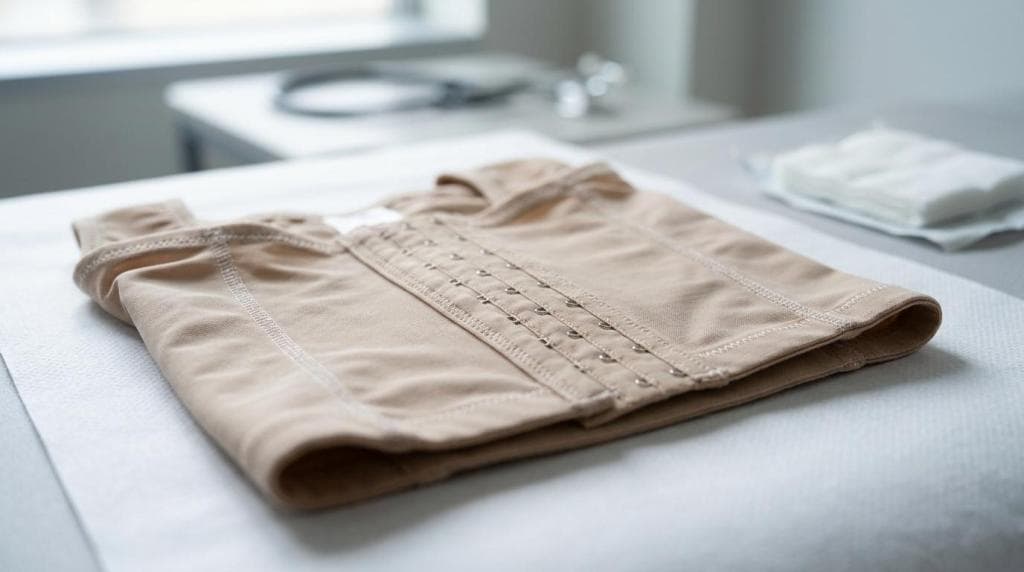
Quick body contouring can mean very different things, and that is where first-time patients often get confused. TuLi is one example of a minimally invasive body contouring procedure designed for fast, in-office fat reduction, but it sits in a broader category that also includes non-invasive devices, liposuction, and skin-removal surgery.
TL;DR: Summary
- Quick body contouring is not one treatment category. It can mean non-invasive body contouring, awake liposuction, minimally invasive fat reduction like TuLi, or larger surgeries that remove fat and skin.
- First-time patients should not expect body contouring to be a weight-loss solution. The main goal is shape change, not obesity treatment or major scale reduction.
- The biggest trade-off is speed versus extent of change: non-invasive options usually have the least downtime, while liposuction and tummy tuck procedures can create bigger contour changes but require more recovery.
- Recovery can range from immediate return to activity to weeks or months, depending on whether tissue is removed, how many areas are treated, and whether compression garments or surgical drains are needed.
- Risk rises when larger areas are treated or multiple procedures are combined, and smoking meaningfully increases surgical complication risk.
The smartest way to evaluate “quick” is to separate three timelines: treatment time, downtime, and time to visible results. Once you do that, your options become much easier to compare, and you can focus on the procedure that matches your anatomy, goals, and tolerance for recovery.
What does quick body contouring actually mean?
Quick body contouring means a short procedure, a short recovery, or both, but not always instant results. TuLi and tumescent liposuction can be office-based, while FDA-described non-invasive body contouring may be fast to undergo yet slower or less dramatic in visible effect.
That distinction matters because patients often hear “quick” and assume all fast options do the same thing. They do not. The FDA describes non-invasive body contouring as non-surgical and not removing tissue from the body. By contrast, liposuction physically removes fat, and procedures like tummy tuck surgery remove excess skin and can improve underlying tissue tone, which matches how the American Society of Plastic Surgeons describes surgical body contouring.
A common misconception is that a short appointment guarantees a short path to your final look. In reality, a 30-minute device session can still require weeks to show its full cosmetic effect, while an office-based fat-removal procedure may cause earlier swelling but more direct tissue change.
“TuLi is built around a 15-minute full-body treatment with no general anesthesia and no downtime.”
If you define quick before your consultation, ask which kind of quick you mean. Is it less time in the office, less time away from work, or fewer months waiting for shape change?
Is quick body contouring a weight-loss solution?
No. The American Academy of Dermatology and Mayo Clinic both frame body contouring as reshaping, not as treatment for obesity or a substitute for healthy weight management.
This is one of the most important facts for first-time patients. Liposuction can reduce localized fat, and surgical body contouring can remove excess skin and improve contour, but neither is meant to replace nutrition, exercise, or medical weight management. The AAD is direct on this point: liposuction is not meant to help people lose weight and is not a fast track to a fit body.
If your main goal is to drop a large number on the scale, then body contouring is usually the wrong first step. If your weight is relatively stable and you want a smaller waistline, less fullness under the chin, a flatter lower abdomen, or better definition in a stubborn area, then contouring becomes much more relevant.
Pro tip: bring your goal in plain language, not just a treatment request. “I want less fullness at my flanks and a smoother fit in clothing” is often more useful than “I want liposuction.”
What are the 7 quick body contouring facts first-time patients should know?
The seven key facts are simple: quick body contouring is about reshaping, options vary sharply in downtime, and the best choice depends on tissue removal, skin quality, and risk tolerance.
Here are the facts that matter most on a first pass:
- Non-invasive is not the same as fat removal: FDA-described non-invasive body contouring does not remove tissue from the body.
- Liposuction does remove fat: Mayo Clinic describes suction-assisted liposuction as the most common type, using a thin tube attached to a vacuum to remove fat from under the skin.
- Surgery can address skin as well as fat: ASPS notes that body contouring surgery can remove excess fat and skin and improve the tone of underlying tissue.
- Recovery varies a lot: Cleveland Clinic notes that nonsurgical body contouring often allows immediate return to normal activity, while surgical recovery can take weeks to months.
- Compression and drains may be part of recovery: Mayo Clinic and Johns Hopkins both note that compression garments are common after liposuction or surgery, and Johns Hopkins says surgical drains are often required after body contouring surgery.
- Risk rises with larger treatment plans: Mayo Clinic reports higher complication risk when liposuction covers larger body surfaces or multiple procedures are done during the same operation.
- Smoking changes the safety picture: Johns Hopkins says smoking greatly increases complication risk in body contouring surgery and patients must quit at least several weeks before surgery.
The practical lesson is straightforward. If you want the fastest return to routine, choose options that match that goal. If you want the most structural change, be prepared for a more involved recovery and a more serious risk-benefit discussion.
“TuLi can treat multiple areas in one visit and target up to 3–4x more tissue per session.”
How does non-invasive body contouring compare with liposuction?
Non-invasive body contouring and liposuction solve different problems. FDA-described non-invasive treatments are non-surgical and do not remove tissue, while liposuction removes fat directly through a cannula.
This comparison becomes clearer when you focus on output. Non-invasive technologies aim to reduce or reshape fullness without incisions. They usually appeal to patients who want little to no downtime and can accept that results may be modest, gradual, or temporary. The FDA also notes common device-related issues like pain, redness, swelling, bruising, and nodules.
Liposuction, including tumescent liposuction and suction-assisted liposuction, is more direct. Fat is actually removed. That generally means a stronger chance of visible contour change, but it also means procedure-related swelling, bruising, and a more defined recovery plan.
Common misconception: if a treatment is non-surgical, it must be risk-free. It is usually lower burden than surgery, but lower burden is not the same as no trade-offs, no side effects, or guaranteed results.
How does liposuction compare with a tummy tuck for body shape change?
Liposuction is best for excess fat, while a tummy tuck is better when loose skin or abdominal laxity is the main problem. ASPS and Johns Hopkins both reflect this difference in how surgical contouring is described and recovered from.
If the abdomen looks full because of localized fat and the skin still retracts well, liposuction may be enough. If the issue is hanging skin after pregnancy or major weight loss, liposuction alone can disappoint because it does not remove that extra skin. A tummy tuck can flatten the abdomen more effectively in that setting, but it also involves larger incisions, more healing time, and often a more involved post-op routine.
This is where first-time patients benefit from honest goal-matching. If your concern is pinchable fat, that points one way. If it is crepey or overhanging skin, that points another. If both are present, then combination planning may be discussed, though bigger plans can also mean higher risk.
How do you choose the right quick body contouring option?
Start with the tissue problem, then match it to downtime and result expectations. TuLi may fit patients who want an in-office fat-reduction procedure without general anesthesia, while surgery is more appropriate when skin removal is part of the goal.
First, identify what you want changed. Is it localized fat, loose skin, or both? Fat responds to liposuction-style removal or selected minimally invasive approaches. Loose skin usually requires surgical excision to make a meaningful difference.
Second, define your recovery ceiling. If you need to return to normal activity right away, that limits your choices. If you can plan around compression garments, swelling, and a slower healing curve, more aggressive contour change becomes possible.
Third, ask what the endpoint really looks like. If a provider says “subtle improvement,” take that literally. If you want a major waistline or abdominal change, then subtle improvement may not meet your standard.
Pro tip: bring photos that show your goal category, not a celebrity body. It helps the consultation stay realistic and anatomy-specific.
How should you plan for body contouring recovery before booking?
Plan recovery before you schedule, not after you commit. Cleveland Clinic, Mayo Clinic, and Johns Hopkins all make the same broader point: recovery is procedure-specific and can range from immediate activity to weeks or months.
A useful step-by-step approach starts with day one. Ask whether you can drive, work, shower, exercise, and sleep normally. Then ask about week one. Will you need compression garments? Will swelling limit clothing choices or mobility? Ask about month one as well, especially if surgery is involved, because that is when restrictions, garment use, and residual swelling still matter for many patients.
For liposuction, Mayo Clinic notes that compression garments are commonly worn for a few weeks. Johns Hopkins says compression after body contouring surgery may be recommended for six to eight weeks, and surgical drains are often required after surgery. Those are not small details. They affect work planning, travel, childcare, and sleep. That same recovery-first mindset appears in adjacent treatment discussions, where Hyperterapi notes in its comparison of HBOT and ice baths that patients often focus on how the body feels and functions after a procedure, not just on the procedure itself.
Common misconception: “no downtime” means “no aftercare.” Minimal downtime usually means rapid return to activity, not zero swelling, zero soreness, or zero need for follow-up.
How do you lower body contouring risks before treatment?
You lower risk by narrowing the plan, stopping smoking when surgery is involved, and confirming the facility and recovery protocol. Mayo Clinic and Johns Hopkins both highlight factors that can meaningfully change the safety profile.
Step one is health disclosure. Share medications, supplements, nicotine use, prior surgeries, and any history of clotting problems. Smoking deserves special attention because Johns Hopkins says it greatly increases complication risk in body contouring surgery and patients must quit at least several weeks beforehand.
Step two is scope control. Mayo Clinic notes greater complication risk when liposuction is done over larger body surfaces or when multiple procedures are combined in the same operation. If your plan gets bigger, then the risk discussion should get more detailed.
Step three is setting and support. Facility accreditation, emergency readiness, and clear follow-up instructions matter. This is one area where process matters as much as the procedure itself, especially when the goal is fast recovery without preventable setbacks.
Who benefits most from an in-office minimally invasive approach?
The best candidates are adults with stable weight, localized fat concerns, and a strong preference for minimal interruption to daily life. They usually want contour improvement, not skin excision or large-volume surgical change.
This group often includes patients bothered by flanks, lower abdomen fullness, bra-line fat, or similar resistant areas that have not responded the way they hoped to diet and exercise. They may also care a great deal about avoiding general anesthesia, prolonged time off work, or heavy post-op care.
The trade-off is straightforward. If your body shape issue is mainly excess skin, muscle laxity, or changes after major weight loss, then a minimally invasive option may be too limited. If your issue is focused fat with decent skin quality, the in-office category becomes much more attractive.
If this description fits you, ask not only “Can this treat my area?” but also “Will this method match the amount of change I expect?”
Which risks and trade-offs matter most for first-time patients?
The biggest trade-offs are magnitude of change, downtime, and complication exposure. First-time patients do best when they accept that stronger intervention usually brings stronger recovery demands.
With non-invasive body contouring, the main advantage is convenience. The trade-off is that tissue is not removed, results may be less dramatic, and the FDA notes outcomes may not always match the desired effect. With liposuction, the main advantage is direct fat removal. The trade-off is a more medical procedure with swelling, compression, and a higher need for careful patient selection. With skin-removal surgery, the potential reshaping is often greatest, but so is the recovery burden.
If speed is your top priority, then ask what kind of speed you are buying. Fast visit? Fast recovery? Fast visible result? Those are not always the same package.
What should you ask at a first body contouring consultation?
Ask outcome questions first, then safety and recovery questions. The best consultation should define what will change, what will not change, and what recovery will realistically require.
A focused question set keeps the visit productive:
- What tissue is being treated: fat, skin, or both?
- What is the likely downtime: same day, several days, or several weeks?
- What aftercare is expected: compression garments, drains, activity restrictions, or follow-up visits?
- What makes me a good or poor candidate: skin quality, weight stability, smoking status, or treatment area size?
Then ask the comparison question many patients skip: “If I choose a lighter option now, what result am I giving up compared with surgery?” That single question often clarifies the decision faster than anything else.
A strong consultation should leave you with a realistic map of results, risk, and recovery. That is the real shortcut for first-time patients.
Ready to take the next step?
Request a consultation with Dr. Moskovitz to discuss whether the TuLi procedure is right for you.
Request a Consultation